

In the digital age, where data is often dubbed the “new oil,” the task of transforming raw information into valuable insights has never been more crucial. Enter data annotation – the behind-the-scenes process that powers artificial intelligence, machine learning, and countless technology-driven innovations. Beyond its pivotal role in shaping tomorrow’s tech landscape, data annotation offers an accessible and flexible income opportunity for individuals across the globe. Whether you’re seeking a side hustle, a remote gig, or a full-time role, data annotation jobs unlock a unique pathway to earning potential in today’s dynamic economy. This article explores how embracing this growing field can open doors to new financial possibilities.
Table of Contents
- Unlocking the Value of Data Annotation in the Digital Economy
- Exploring Diverse Opportunities in Data Annotation Careers
- Essential Skills and Tools for Successful Data Annotation Work
- Maximizing Earnings Through Efficient and Quality Data Annotation Practices
- To Wrap It Up

Unlocking the Value of Data Annotation in the Digital Economy
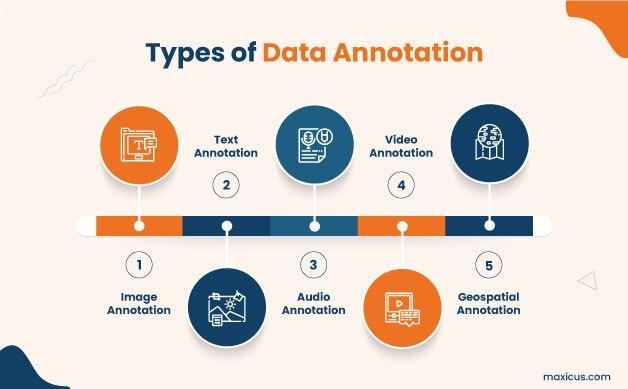
In today’s fast-paced digital economy, data annotation serves as the backbone of AI and machine learning advancement. By meticulously labeling images, texts, audio, and video, data annotation transforms raw information into valuable assets that drive innovation across industries. This meticulous process not only enhances the accuracy of automated systems but also empowers businesses to unlock insights that can shape strategic decisions. As AI technologies become more integrated into daily life, the demand for skilled annotators is growing exponentially, presenting a unique opportunity to tap into a sustainable income stream.
Why embrace data annotation as a career or side hustle?
- Flexible Work Environment: Annotate data remotely from anywhere, fitting projects around your schedule.
- Skill Diversity: Work with a variety of data types including text, images, audio, and videos.
- Continuous Learning: Stay ahead in the digital economy by sharpening tech-related skills.
- Growing Demand: With AI’s expansion, annotation jobs offer steady and scalable income potential.
| Data Type | Annotation Task | Income Range (per month) |
|---|---|---|
| Text | Sentiment Labeling | $200 – $600 |
| Image | Object Detection | $300 – $900 |
| Audio | Transcription & Tagging | $250 – $700 |

Exploring Diverse Opportunities in Data Annotation Careers
Data annotation careers open the door to a world where technology meets human precision. These roles are more than just labeling images or text; they involve understanding context, applying critical thinking, and ensuring high-quality datasets that fuel AI advancements. Whether you’re meticulous with visuals, passionate about languages, or detail-oriented with audio, data annotation offers specialized paths tailored to diverse skill sets. From freelance projects to full-time roles, the flexibility in this field can align with various lifestyles and professional goals.
Exploring opportunities reveals a rich spectrum of niches within data annotation:
- Image & Video Tagging: Identifying objects, actions, and scenes to train computer vision models.
- Text Annotation: Classifying sentiment, entities, intent, and more to enhance NLP systems.
- Audio Transcription & Analysis: Transcribing speech and labeling sounds for voice recognition tech.
- Lidar & Sensor Data Labeling: Assisting autonomous systems by marking spatial data points effectively.
| Specialization | Key Skill | Income Range (Monthly) |
|---|---|---|
| Image Annotation | Visual Focus | $400 – $1,000 |
| Text Annotation | Language Proficiency | $350 – $900 |
| Audio Labeling | Listening Accuracy | $300 – $800 |
| Lidar Data Tagging | Spatial Awareness | $500 – $1,200 |
Essential Skills and Tools for Successful Data Annotation Work
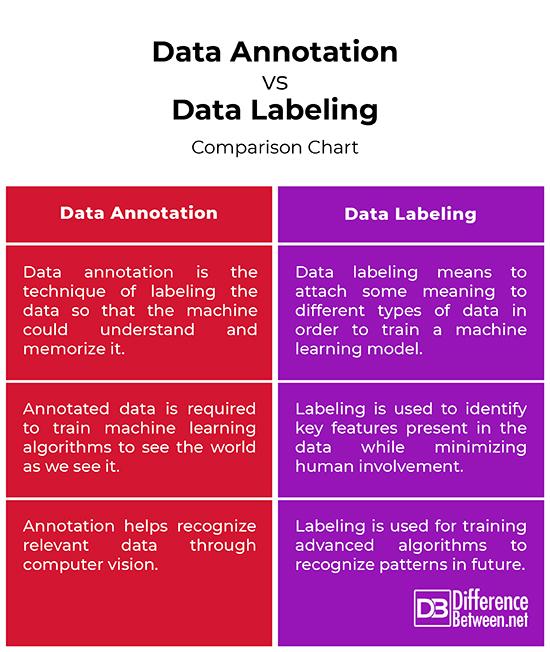
Mastering the art of data annotation hinges on a blend of technical know-how and meticulous attention to detail. Precision plays a pivotal role, so developing strong observational skills and a fine eye for categorization can drastically improve your labeling accuracy. Equally important is familiarity with various annotation tools like Labelbox, VGG Image Annotator, and Supervisely, which are designed to streamline workflows and boost productivity. These platforms often come equipped with features that facilitate tasks such as bounding box creation, segmentation, and text annotation, empowering you to handle diverse datasets effectively.
In addition to tool proficiency, grounding yourself in data privacy principles and maintaining consistent quality checks are indispensable for long-term success. Here’s a quick overview of must-have skills and tools:
- Attention to Detail: Critical for accurate and consistent annotations.
- Tool Familiarity: Experience with annotation software accelerates job performance.
- Basic Understanding of AI/ML: Knowing how annotated data is used enhances context.
- Time Management: Essential for meeting project deadlines.
- Data Privacy Awareness: Upholding confidentiality standards protects sensitive information.
| Skill/Tool | Benefit |
|---|---|
| Bounding Box Tools | Enables precise object identification in images/videos |
| Segmentation Software | Allows detailed pixel-level labeling |
| Quality Assurance Protocols | Ensures consistency and error reduction |
| Annotation Guidelines | Provides standardized instructions to maintain quality |
Maximizing Earnings Through Efficient and Quality Data Annotation Practices
Boosting your income through data annotation requires a blend of speed and precision. Efficiency doesn’t just mean labeling quickly-it means developing a workflow that minimizes errors and maximizes output. Start by organizing your tasks into manageable segments and using shortcut keys or annotation tools effectively to reduce repetitive actions. Incorporating regular breaks enhances focus, which in turn improves accuracy, preventing costly corrections that slow down your progress. Remember, quality trumps quantity; consistent, high-quality annotations can lead to higher ratings and more lucrative projects over time.
To help you visualize the balance between speed and quality, here’s a quick comparison:
| Factor | Efficiency Tip | Quality Impact |
|---|---|---|
| Annotation Speed | Use keyboard shortcuts | Reduces errors from manual delays |
| Task Organization | Batch similar tasks together | Improves consistency |
| Break Intervals | Short, frequent breaks | Maintains mental sharpness |
- Leverage automation tools for repetitive labeling where applicable.
- Maintain clear communication with project managers to understand annotation guidelines fully.
- Invest time in upskilling to learn advanced annotation techniques and software.
To Wrap It Up
In a world increasingly driven by data, the opportunity to transform raw information into actionable insights has never been more valuable. Data annotation jobs stand as a gateway-not only to unlocking personal income potential but also to contributing meaningfully to the innovations shaping our future. Whether you’re seeking flexible work, a foothold in the tech industry, or a chance to refine new skills, this field offers a promising path forward. Embrace the chance to annotate your way to opportunity and discover how your contributions can power the next wave of intelligent technology.