

In today’s fast-evolving digital landscape, delivering Software as a Service (SaaS) extends far beyond simply launching a cloud-based application. It’s an intricate dance of innovation, customer insight, and seamless execution-a mastery that transforms a product into a vital service ecosystem. “Mastering the Art of Offering SaaS as a Service Solution” explores this nuanced approach, unveiling the strategies and mindsets essential for providers aiming not just to sell software, but to deliver enduring value. Whether you’re a startup founder or a seasoned tech leader, understanding this art can be the key to unlocking sustainable growth and meaningful customer relationships in the competitive SaaS arena.
Table of Contents
- Understanding the Core Dynamics of SaaS as a Service Solutions
- Designing Seamless User Experiences to Enhance SaaS Adoption
- Strategic Pricing Models That Maximize SaaS Value and Customer Retention
- Leveraging Data Analytics to Continuously Improve SaaS Offerings
- The Conclusion
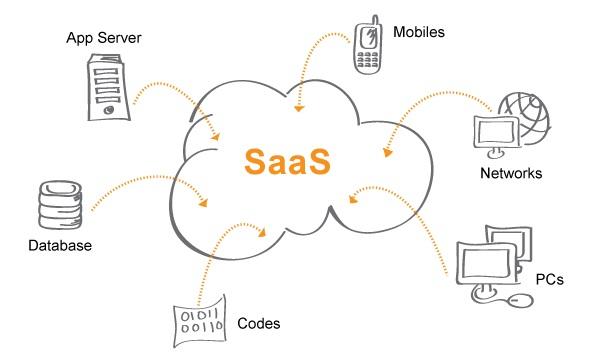
Understanding the Core Dynamics of SaaS as a Service Solutions
At the heart of successful SaaS solutions lies a seamless integration of technological innovation and customer-centric design. Understanding the fluid nature of the service model means recognizing that scalability, security, and user experience are not just features but foundational pillars that drive long-term value for clients. The dynamic provisioning of resources allows businesses to adapt quickly to changing demands without the overhead of traditional software deployment, making flexibility an indispensable advantage.
Key components of an effective SaaS setup include:
- Multi-tenancy architecture: Enables multiple customers to share resources securely, optimizing infrastructure usage.
- Automated updates and maintenance: Keeps the system current without disrupting the user environment.
- Customizable integrations: Facilitates seamless connectivity with existing business processes and tools.
| Core Dynamic | Function | Benefit |
|---|---|---|
| Elastic Scaling | Automatic resource allocation | Cost efficiency and performance |
| Data Encryption | Protects data in transit and at rest | Enhanced customer trust |
| API-Driven | Enables extensibility and customization | Improved flexibility |

Designing Seamless User Experiences to Enhance SaaS Adoption
Crafting an intuitive interface is more than just aesthetics; it’s about creating a fluid journey where every interaction feels natural and effortless. By focusing on user-centric design principles, SaaS providers can eliminate friction points that often deter new users. Consider integrating progressive onboarding techniques such as interactive tutorials, contextual tooltips, and personalized dashboards that adapt to individual user behavior, ensuring both novices and experts find value from the first click. Seamless integration with third-party services further amplifies the user experience, allowing businesses to embed your SaaS solution effortlessly into their existing workflows.
Below is a comparative snapshot illustrating key elements that enhance user adoption rates by design focus:
| Design Element | Impact on Adoption | User Benefit |
|---|---|---|
| Minimalist Interface | Reduces cognitive overload | Faster feature discovery |
| Adaptive Onboarding | Personalizes learning curve | Increased confidence |
| Real-time Feedback | Promotes continuous improvement | Engaging interactions |
| Mobile Optimization | Enhances accessibility | On-the-go usability |
Ultimately, by prioritizing seamless usability and adapting to the unique needs of each user, you create a compelling magnet for SaaS adoption-one that transforms curiosity into commitment and occasional users into loyal advocates.
Strategic Pricing Models That Maximize SaaS Value and Customer Retention
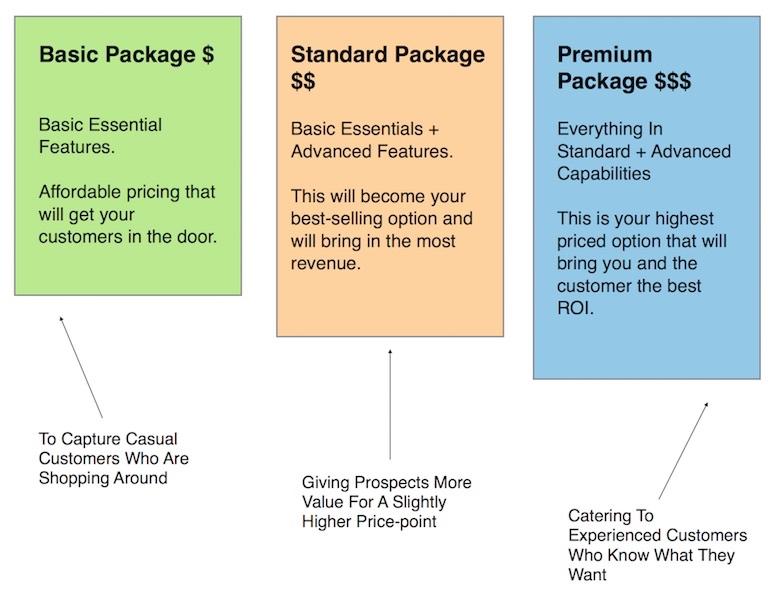
Unlocking optimal revenue streams while nurturing long-term customer loyalty requires adopting pricing frameworks that are both dynamic and customer-centric. Emphasizing value-based pricing allows SaaS providers to align charges directly with the perceived benefits customers derive, fostering satisfaction and reducing churn. Additionally, introducing tiered plans can accommodate diverse user needs, offering flexibility without overwhelming choice fatigue. Integrating usage metrics into your pricing strategy-such as pay-as-you-go models-encourages adoption by reducing entry barriers, making your service feel more accessible and attractive to price-sensitive segments.
Consider also crafting personalized discount structures and loyalty incentives that reward continuous engagement, strengthening the customer-company relationship. The table below illustrates how different pricing models impact both company revenue and client retention rates, providing a quick-reference guide for targeting segmentation strategies effectively.
| Pricing Model | Revenue Predictability | Customer Retention | Best Use Case |
|---|---|---|---|
| Value-Based | High | High | Enterprise Clients |
| Tiered Plans | Medium | Medium | SMBs & Startups |
| Pay-as-you-go | Variable | High | Variable Usage |
| Freemium | Low | Low to Medium | Volume Growth |

Leveraging Data Analytics to Continuously Improve SaaS Offerings
Harnessing the power of data analytics transforms SaaS platforms from static products into dynamic solutions that evolve alongside user needs. By meticulously tracking user behavior, feature adoption rates, and feedback patterns, companies can identify friction points and opportunities to enhance the user experience. This continuous feedback loop allows for agile iterations where improvements are not based on assumptions but on tangible insights. The ability to segment data by user demographics, subscription tiers, or engagement levels further refines product roadmap decisions, ensuring that every update resonates with the target audience.
To operationalize this, many SaaS providers adopt key performance indicators (KPIs) that are easy to monitor and interpret. Consider the table below listing common analytics metrics that drive improvement cycles in SaaS businesses:
| Metric | Description | Impact |
|---|---|---|
| User Retention Rate | Measures percentage of users returning over time | Indicates customer satisfaction and product value |
| Feature Usage | Tracks adoption of specific features | Informs prioritization and refinement needs |
| Churn Rate | Percentage of customers canceling subscriptions | Highlights potential issues or market competition |
| Average Session Duration | Time users spend per session | Reflects engagement and UX effectiveness |
Beyond metrics, integrating advanced AI-driven analytics platforms can unlock predictive insights, enabling proactive adjustments before users even face pain points. Embracing a culture that values data over intuition empowers SaaS teams to innovate relentlessly, ensuring their offerings remain relevant, valuable, and competitive in a fast-evolving market.
The Conclusion
In the ever-evolving landscape of technology, mastering the art of offering SaaS as a service solution is more than a business strategy-it’s a commitment to innovation, adaptability, and customer-centric excellence. By weaving together seamless user experiences, robust infrastructure, and agile development, providers can not only meet but anticipate the needs of their clients. As the digital horizon continues to expand, those who embrace this dynamic approach will find themselves at the forefront of a thriving ecosystem, poised to deliver value that transforms industries and redefines possibilities. The journey doesn’t end here; it begins anew with every update, every insight, and every opportunity to serve better.