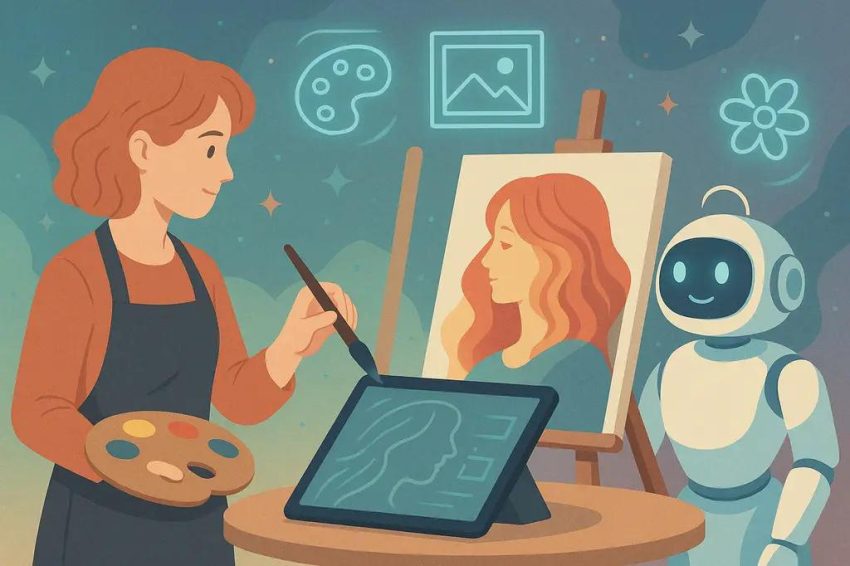
In a world where creativity meets technology, a new frontier is emerging-one that offers unprecedented opportunities for those willing to explore it. AI-generated art is no longer just a novel experiment or a futuristic concept; it has become a tangible avenue for generating income and expanding artistic horizons. From unique digital creations to automated design processes, the intersection of artificial intelligence and art is unlocking fresh pathways to profit. This article dives into the innovative methods and practical strategies that can help artists, entrepreneurs, and enthusiasts transform AI-driven imagery into lucrative ventures. Whether you are a seasoned creator or a curious beginner, understanding how to capitalize on AI-generated art might just be the key to unlocking your next stream of revenue.
Table of Contents
- Exploring the Market Potential of AI-Generated Art
- Strategies for Creating Unique and Marketable AI Artworks
- Monetization Techniques for AI Art in Digital and Physical Spaces
- Building a Sustainable Brand Around AI-Generated Creations
- Closing Remarks
Exploring the Market Potential of AI-Generated Art
AI-generated art is rapidly transforming the creative landscape, opening doors to new revenue streams and business opportunities. As algorithms evolve, artists and entrepreneurs alike can tap into an ever-growing market eager for unique, algorithmically crafted visuals. From licensing prints and selling digital assets on NFT platforms to collaborating with brands for custom designs, the commercial applications of AI art are both diverse and lucrative. The allure lies in its blend of creativity and scalability, enabling creators to produce distinctive pieces faster, meet niche demands, and diversify their portfolio without the constraints of traditional craftsmanship.
Key sectors ripe for AI-generated art exploitation include:
- Advertising & Marketing: Agencies seeking innovative campaign visuals.
- Entertainment & Media: Game developers, filmmakers, and publishers integrating AI art into storytelling and world-building.
- Interior Design: Customized digital prints and murals for homes and offices.
- E-commerce: Online shops offering unique AI-designed merchandise and collectibles.
| Market Segment | Potential Revenue Model | Average Profit Margin |
|---|---|---|
| Digital NFTs | Auctions, Royalties | 30%-70% |
| Custom Commissions | Direct Sales, Licensing | 50%-65% |
| Print-on-Demand | Merchandise Sales | 25%-50% |
| Collaborations | Brand Partnerships | 40%-60% |
Strategies for Creating Unique and Marketable AI Artworks
To carve out a distinctive niche in the crowded AI art landscape, it’s essential to leverage your creative vision alongside technology. Experiment with unconventional themes or blend multiple artistic styles to craft pieces that resonate uniquely with collectors. Employ AI tools not just as generators but as collaborators-curate and refine outputs to infuse your personal touch. Additionally, staying ahead of trends while maintaining authenticity ensures your creations remain both relevant and captivating.
Marketing your AI art effectively demands a strategic approach that highlights its innovative qualities. Focus on storytelling by sharing the inspiration behind each piece and the AI process used, building a deeper connection with your audience. Utilize platforms that cater to digital art enthusiasts, and consider limited editions or exclusive releases to boost perceived value. Below is a quick guide to help you balance creativity with market appeal:
| Strategy | Key Action | Benefit |
|---|---|---|
| Innovative Themes | Mix genres & ideas | Stand out visually |
| Storytelling | Share creation process | Engage buyers emotionally |
| Exclusive Editions | Offer limited prints | Increase artwork value |
| Targeted Platforms | Use niche marketplaces | Reach ideal audience |
Monetization Techniques for AI Art in Digital and Physical Spaces
Turning AI-generated artwork into a lucrative venture involves exploring diverse channels that bridge digital innovation and traditional art markets. One effective approach is to leverage the power of digital marketplaces and NFTs, where creators can showcase and sell unique, blockchain-certified pieces to a global audience. Additionally, partnering with print-on-demand services allows artists to transform their digital creations into tangible products such as posters, apparel, and home décor. This hybrid strategy not only maximizes exposure but also taps into different consumer preferences, blending modern tech appeal with the timeless value of physical art.
- Digital Platforms: Sell your work on NFT marketplaces and art-specific platforms.
- Print & Merchandise: Use services like Printful or Society6 to offer prints and custom products.
- Licensing Deals: License your AI art for commercial use in advertising, publishing, or media.
- Collaborations: Team up with brands or other artists to create limited-edition collections.
| Monetization Method | Key Benefit | Platform Example |
|---|---|---|
| NFT Sales | Global reach, proof of authenticity | OpenSea |
| Print on Demand | Low upfront cost, passive income | Redbubble |
| Licensing | Recurring revenue from commercial uses | Artlist |
| Brand Collaborations | Enhanced visibility, exclusive collections | Independent contracts |
Building a Sustainable Brand Around AI-Generated Creations
Creating a sustainable brand in the realm of AI-generated art demands more than just innovative outputs; it requires a thoughtful strategy that marries technology with authenticity. Cultivating a loyal audience means positioning your brand as a pioneer in ethical AI use, transparency, and creative originality. Emphasize your commitment to quality by integrating human curation alongside algorithmic ingenuity, ensuring each piece resonates on a deeper level with potential buyers and collectors. This approach builds trust, encouraging repeat engagement and fostering community-driven growth.
Consider implementing core values that resonate with both the tech-savvy and art enthusiasts alike:
- Transparency: Clearly communicate how AI contributes to your creative process.
- Collaboration: Partner with artists or influencers to blend human creativity and machine learning.
- Sustainability: Use eco-friendly platforms and digital assets to reduce environmental impact.
- Accessibility: Make your art available across diverse channels to enhance reach.
| Key Element | Benefit |
|---|---|
| Unique AI Signatures | Builds authenticity |
| Community Engagement | Drives loyal following |
| Ethical Marketing | Enhances brand reputation |
| Eco-Conscious Hosting | Supports sustainability |
Closing Remarks
As the realm of creativity continues to intertwine with the precision of technology, AI-generated art emerges as a compelling frontier for both artists and entrepreneurs. Unlocking profit in this space is not merely about mastering algorithms or crafting stunning visuals; it’s about understanding the evolving landscape where innovation meets opportunity. Whether you choose to sell unique pieces, license digital assets, or collaborate on customized projects, the potential to monetize AI art invites a new wave of creative exploration and economic possibility. In embracing this fusion of imagination and intelligence, you stand at the threshold of a transformative journey-where art is not just seen, but also valued in ways once unimagined.