
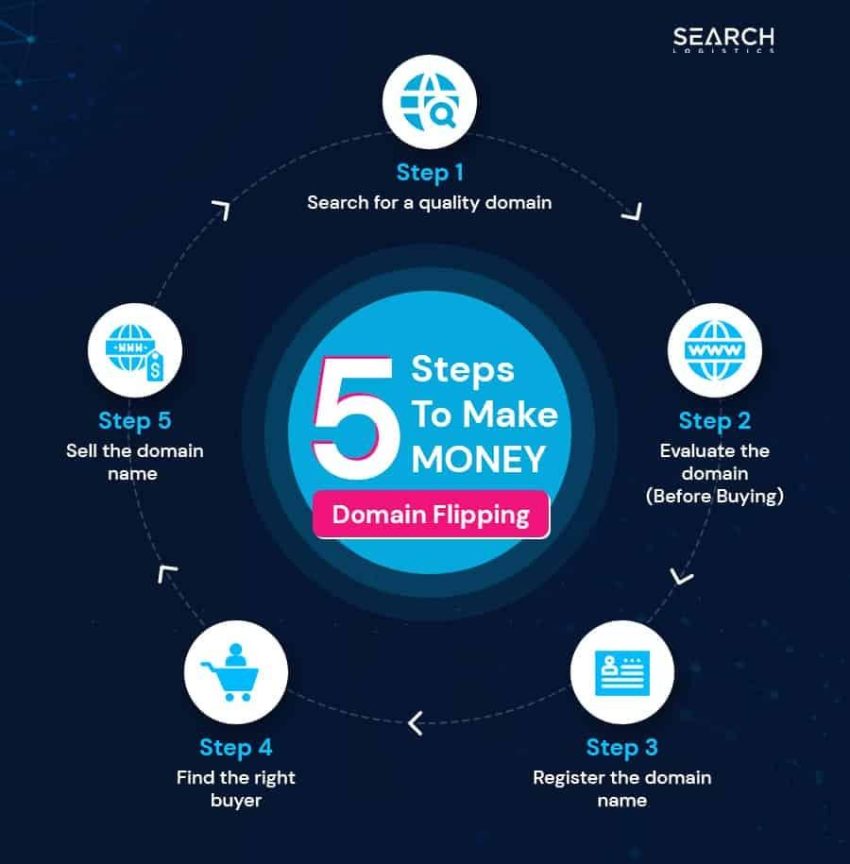
In the ever-evolving landscape of the digital economy, a new wave of entrepreneurs is making waves by turning pixels into profits. Flipping websites-a modern twist on the classic buy-and-sell approach-is rapidly becoming a savvy business strategy for those looking to carve out their niche online. This process, which involves purchasing underperforming or undervalued websites, enhancing their appeal and functionality, and then selling them for a significant return, blends creativity with commerce in a uniquely satisfying way. Whether you’re a seasoned investor or a curious newcomer, understanding the art and science of website flipping could open the door to a profitable online venture. In this article, we’ll explore how to build a successful website flipping business from the ground up, revealing the steps, strategies, and secrets behind turning digital properties into real-world revenue.
Table of Contents
- Understanding the Market Value of Websites and Identifying High-Potential Niches
- Crafting a Website That Attracts Buyers Through Quality Content and SEO
- Evaluating Website Performance Metrics to Maximize Profit Potential
- Negotiating the Sale and Ensuring a Smooth Transfer for Long-Term Success
- Concluding Remarks

Understanding the Market Value of Websites and Identifying High-Potential Niches
Determining a website’s market value goes beyond just looking at its traffic numbers or current income. It’s about understanding the unique blend of elements that create sustained value over time. Key factors influencing website valuation include monthly revenue streams, the diversity of traffic sources, site authority, and potential for growth. For instance, a website relying solely on organic search traffic might face volatility due to algorithm changes, whereas one with diversified channels-social, direct, referral-holds more stability and thus a higher market value. Additionally, the quality of content, backend infrastructure, and even brand reputation can significantly affect buyer confidence and willingness to pay a premium.
When identifying niches that promise lucrative flipping opportunities, it’s wise to focus on areas with clear demand but manageable competition. High-potential niches often fall within evergreen topics that solve specific problems, such as personal finance, health & wellness, tech tutorials, or sustainable living. Look for niches exhibiting trending growth using SEO tools and market research data, but also consider how scalable monetization is within those sectors. Here’s a quick overview of niche evaluation criteria:
- Growth Potential: Are search volumes increasing over time?
- Monetizability: Can the site monetize through diverse channels like affiliate marketing, ads, or product sales?
- Competition Level: Is the niche saturated, or is there room for a new player to stand out?
- User Engagement: Does the niche encourage repeat visitors and community building?
| Factor | Impact on Value | Example |
|---|---|---|
| Revenue Consistency | High | Subscription-based sites |
| Traffic Diversity | Medium | Social + organic traffic site |
| Niche Popularity | Medium | Fitness & wellness blogs |
| Scalability | High | Tech tutorials with product reviews |

Crafting a Website That Attracts Buyers Through Quality Content and SEO
To captivate potential buyers, your website must offer more than just visually appealing design; it needs quality content that delivers genuine value. Start by creating content that solves problems, educates, and engages your target audience. Incorporate varied formats like blog posts, tutorials, and infographics to cater to different learning styles, ensuring your site becomes a trusted resource in its niche. Above all, clarity and authenticity should guide your messaging to establish credibility and foster trust, two key ingredients for attracting and retaining visitors who can later become buyers.
Strategically implementing SEO best practices amplifies your website’s visibility and organic reach. Focus on keyword research to align your copy with what buyers are actively searching for, and optimize on-page elements such as titles, headers, and metadata. Don’t underestimate the power of internal linking and fast-loading pages, which enhance both user experience and search engine rankings. Below is a simple SEO checklist to keep handy during site development:
| SEO Element | Purpose | Tip |
|---|---|---|
| Keyword Optimization | Improve search relevance | Use long-tail keywords naturally |
| Meta Descriptions | Boost click-through rates | Keep under 160 characters, entice action |
| Mobile Responsiveness | User accessibility | Test across devices regularly |
| Page Speed | Reduce bounce rates | Optimize images and scripts |
Evaluating Website Performance Metrics to Maximize Profit Potential
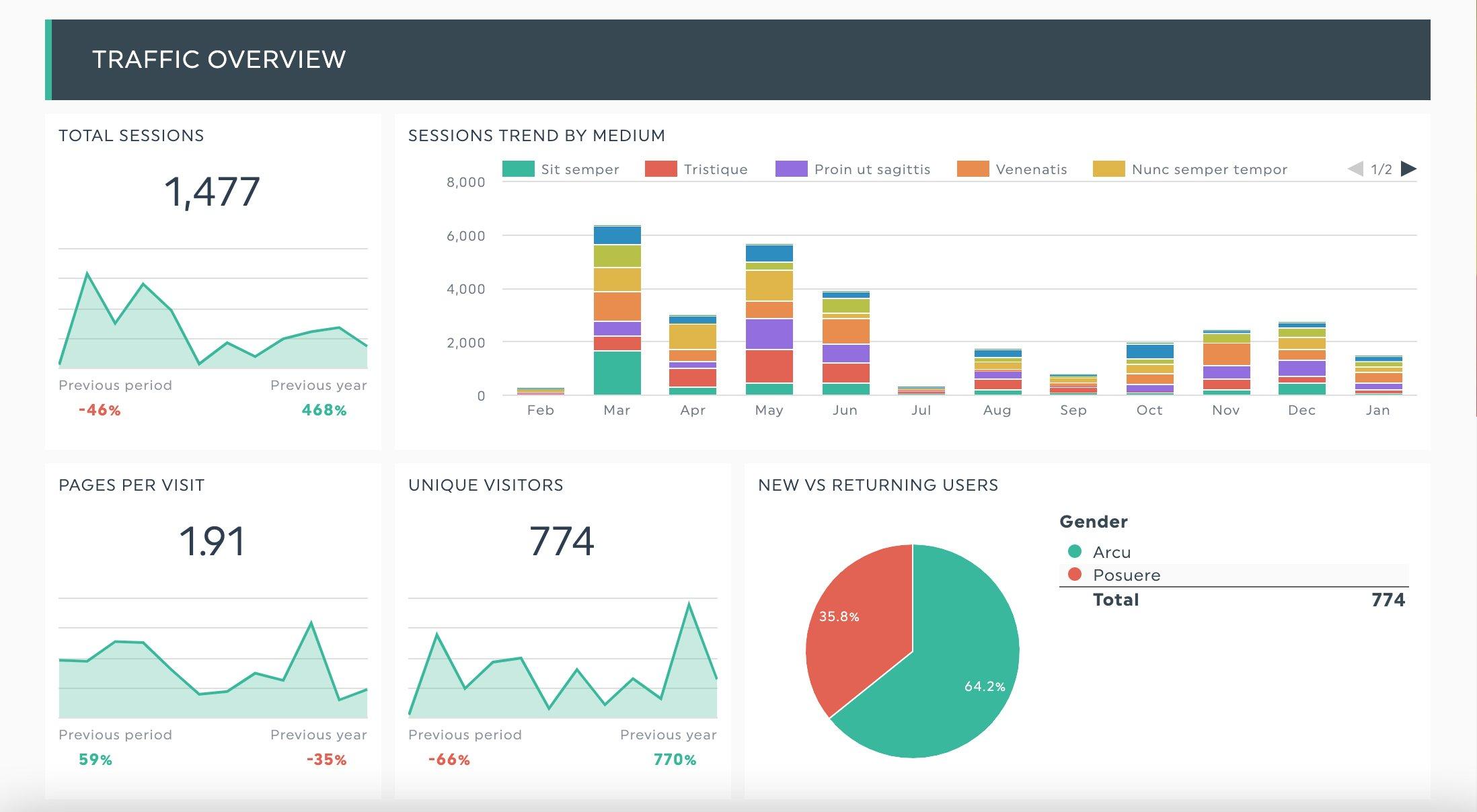
Monitoring key website performance metrics is essential to unlocking the true profit potential of your online assets. Metrics such as page load speed, bounce rate, and conversion rates serve as vital indicators of user experience and engagement. Faster-loading sites reduce visitor frustration, directly impacting time-on-site and user retention. Similarly, a high bounce rate may signal poorly targeted content or design flaws, which can be optimized by refining the site’s structure or improving call-to-action placements. Emphasizing these elements ensures a smoother user journey, ultimately boosting the site’s value to potential buyers or advertisers.
To systematically evaluate your website’s health, focus on a combination of behavioral and technical metrics. Here’s a quick guide to the essentials:
- Traffic Quality: Evaluate sources and engagement levels to prioritize organic and referral visitors over paid traffic.
- User Interaction: Track clicks, scroll depth, and form submissions to understand content effectiveness.
- SEO Health: Monitor keyword rankings and backlink profiles for sustainable growth.
Below is a simplified example of how to evaluate these metrics in a snapshot to make strategic decisions efficiently:
| Metric | Current Value | Target Value | Action Steps |
|---|---|---|---|
| Page Load Time | 4.2 seconds | Under 2 seconds | Optimize images, leverage caching |
| Bounce Rate | 65% | Below 40% | Improve landing pages, test CTAs |
| Conversion Rate | 1.5% | 3.5%+ | Refine sales funnel, A/B test offers |
| Organic Traffic | 1,000 visits/month | 3,000+ visits/month | Enhance SEO, publish quality content |

Negotiating the Sale and Ensuring a Smooth Transfer for Long-Term Success
Mastering the art of negotiation is essential when flipping websites to maximize profit without jeopardizing the buyer-seller relationship. Begin by highlighting the unique value points and critical traffic insights of your site, demonstrating its growth potential. Approach price discussions with transparency-back up your asking price with concrete data like monthly revenue, user engagement stats, and niche authority. Remember, a flexible but firm stance often leads to a win-win situation.
To guarantee a seamless transition, create a comprehensive handover checklist covering:
- Account Access: Transfer all hosting, domain, analytics, and social media credentials securely.
- Technical Documentation: Include code repositories, content management system guidelines, and SEO strategies.
- Ongoing Support: Offer a limited period of support to address questions or technical hiccups, building trust and boosting your reputation as a reliable flipper.
| Step | Purpose | Outcome |
|---|---|---|
| Financial Disclosure | Build transparency | Trust & Higher Offer |
| Credential Transfer | Secure control | Operational Continuity |
| Support Period | Mitigate issues | Smooth User Experience |
Concluding Remarks
Flipping websites isn’t just a digital hustle-it’s a craft that blends creativity, strategy, and a dash of entrepreneurial spirit. Whether you’re polishing a hidden gem or building from scratch, the potential to turn virtual real estate into real profit is within reach. As the online world continues to expand, so do the opportunities to carve out your niche and build a business that thrives on innovation and insight. So, take what you’ve learned, dive in with patience and purpose, and watch as your digital ventures transform from mere ideas to profitable assets in the ever-evolving landscape of the web.