
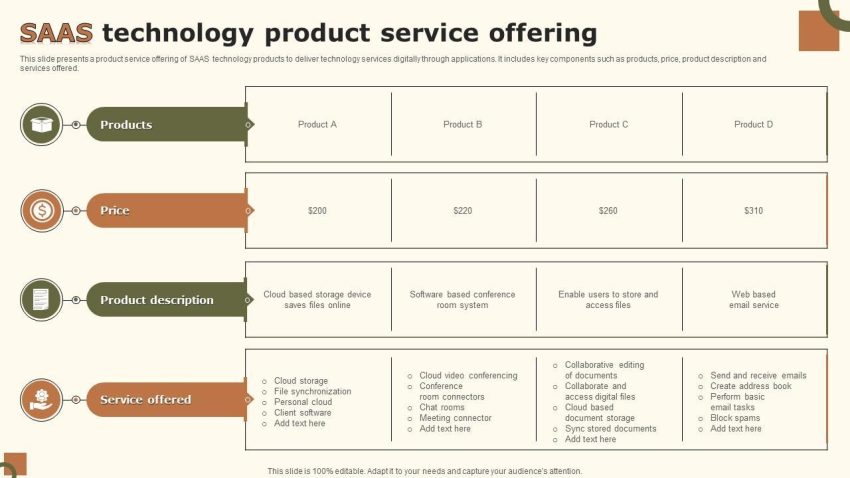
In today’s fast-paced digital landscape, the phrase “Software as a Service” (SaaS) has transcended buzzword status to become a cornerstone of modern business innovation. Yet, behind the seamless interfaces and subscription models lies an intricate craft-one that balances technology, user experience, and strategic delivery to truly master SaaS as a service. This article embarks on a journey through the evolving art of offering SaaS today, exploring the nuanced approaches and essential principles that empower providers to not just deliver software, but create lasting value in an ever-competitive market. Whether you’re a seasoned developer, an aspiring entrepreneur, or simply curious about the forces reshaping software delivery, understanding this craft is key to unlocking the full potential of SaaS in the digital age.
Table of Contents
- Understanding the Foundations of SaaS Delivery in the Modern Market
- Crafting Customer-Centric Solutions for Unmatched User Experience
- Optimizing Scalability and Security to Build Trust and Reliability
- Leveraging Data Analytics for Continuous Improvement and Innovation
- In Summary
Understanding the Foundations of SaaS Delivery in the Modern Market
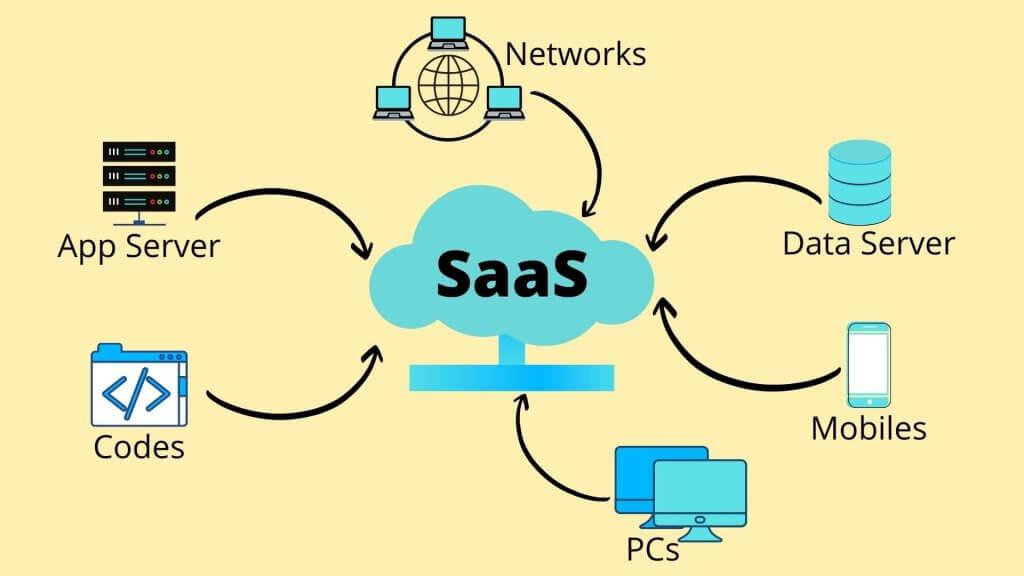
At the core of today’s SaaS delivery lies a fundamental shift from traditional software distribution to a cloud-first mindset. This transformation is driven by the need for seamless accessibility, continuous updates, and scalable solutions that adapt to evolving customer demands. The modern enterprise must embrace a deeply integrated infrastructure that supports real-time analytics, automated provisioning, and robust security protocols to maintain a competitive edge. This infrastructure not only enhances user experience but also empowers businesses to innovate rapidly without the constraints of legacy systems.
Key pillars supporting successful SaaS delivery include:
- Agile development cycles: Allowing quick iteration based on user feedback.
- Microservices architecture: Enabling modular, scalable, and independent service deployments.
- Cloud-native scalability: Ensuring resources dynamically adjust to usage demands.
- Security by design: Embedding protection throughout the application lifecycle.
| Component | Benefit |
|---|---|
| API First Approach | Enables easy integration and extensibility |
| Automated Monitoring | Improves reliability with proactive issue detection |
| Customer Success Tools | Enhances user retention through personalized support |
| Subscription Management | Streamlines revenue tracking and billing |

Crafting Customer-Centric Solutions for Unmatched User Experience
In today’s competitive SaaS landscape, success hinges on a deep understanding of customer needs and the ability to tailor solutions that resonate on a personal level. By integrating real-time feedback loops and leveraging advanced analytics, companies can craft intuitive interfaces and deliver features that align perfectly with user workflows. This proactive approach not only boosts adoption rates but also fosters loyalty by making customers feel heard and valued throughout their journey.
Effective user-centric development focuses on a few key principles:
- Simplicity: Streamline processes to minimize friction and enhance satisfaction.
- Customization: Enable flexible settings that cater to diverse business models and preferences.
- Accessibility: Ensure seamless experience across all devices and user abilities.
- Continuous Improvement: Regularly update features based on evolving customer expectations.
| Customer Insight | Impact on Design | Benefit |
|---|---|---|
| Usage Patterns | Custom Dashboard Layouts | Faster Access |
| Feedback Analysis | Feature Prioritization | Higher Satisfaction |
| Device Preferences | Responsive Design | Universal Usability |

Optimizing Scalability and Security to Build Trust and Reliability
In the competitive world of SaaS, scalability is the backbone that distinguishes a promising platform from a fleeting one. To engineer a system that gracefully manages growth, it’s essential to embrace a modular architecture that can dynamically allocate resources based on demand. Leveraging cloud-native tools like container orchestration and automated load balancing not only keeps operations smooth during peak times but also optimizes costs during quieter periods. Equally critical is the continuous monitoring of system performance through real-time analytics, enabling proactive adjustments before bottlenecks arise.
Security, on the other hand, is the cornerstone of trust-without it, reliability crumbles. Employing a layered defense strategy ensures that multiple checkpoints verify and protect sensitive data from intrusion or compromise. This includes:
- End-to-end encryption to safeguard data in transit and at rest
- Multi-factor authentication to enhance user verification
- Regular penetration testing to identify and patch vulnerabilities
- Compliance with industry standards such as GDPR and SOC 2
Below is a quick comparison of security protocols vital for establishing SaaS credibility:
| Protocol | Primary Focus | Benefit |
|---|---|---|
| OAuth 2.0 | Authorization | Granular access control without sharing credentials |
| TLS 1.3 | Data Encryption | Faster and more secure communication |
| ISO 27001 | Information Security Management | Streamlined compliance and risk management |

Leveraging Data Analytics for Continuous Improvement and Innovation
In the dynamic landscape of SaaS, data analytics serves not just as a tool but as a strategic compass guiding continuous refinement and breakthrough innovation. By diving deep into real-time user behavior, companies unlock hidden patterns that reveal customer preferences and friction points. This granular insight empowers product teams to anticipate needs, tailor features, and optimize user journeys without waiting for quarterly feedback cycles. Leveraging data in this way transforms iterative updates into a proactive, user-centric innovation engine-driving engagement and retention in tandem.
Key practices for maximizing data-driven innovation include:
- Integrating cross-functional analytics dashboards for complete visibility
- Embedding machine learning models to predict churn and identify upsell opportunities
- Employing A/B testing frameworks informed by robust data sets
- Encouraging a culture where data insights fuel creative problem-solving
| Analytics Focus | Impact | Example Tool |
|---|---|---|
| User Behavior | Personalized Experiences | Mixpanel |
| Performance Metrics | Faster Issue Resolution | New Relic |
| Revenue Patterns | Optimized Pricing Models | ChartMogul |
In Summary
In the ever-evolving landscape of technology, mastering the art of offering SaaS as a service is both a challenge and an opportunity. It demands a blend of innovation, customer insight, and agile execution. By embracing these principles, businesses can not only deliver exceptional value but also build lasting relationships in a competitive marketplace. As you navigate this journey, remember that success lies not just in the software itself, but in the seamless experience and trust you create with every user-turning services into solutions and ideas into impact.