
In the rapidly evolving landscape of digital marketing, the power to captivate audiences and drive meaningful engagement hinges on one pivotal factor: precision. As brands grapple with the complexities of consumer behavior and mounting competition, artificial intelligence emerges not merely as a tool, but as a transformative force. Harnessing AI to revolutionize ad campaign performance is no longer a distant possibility-it’s the new frontier. By seamlessly blending data-driven insights with creative strategy, AI is reshaping how campaigns are conceived, targeted, and optimized, unlocking unprecedented levels of efficiency and impact. This article explores the dynamic synergy between technology and marketing ingenuity, illuminating the pathways through which AI is redefining success in advertising.
Table of Contents
- Harnessing Predictive Analytics to Anticipate Consumer Behavior
- Optimizing Creative Content Through AI-Driven Personalization
- Enhancing Budget Allocation with Machine Learning Algorithms
- Measuring Campaign Success with Real-Time AI Insights
- Concluding Remarks

Harnessing Predictive Analytics to Anticipate Consumer Behavior
At the core of predictive analytics lies the power to decode vast data streams and translate them into actionable insights about consumer tendencies. By tapping into this data, advertisers can move beyond generic targeting and craft campaigns that resonate on a deeply personal level. This approach not only anticipates what customers want before they voice it but also aligns marketing efforts with the precise moment a consumer is most receptive. AI-driven models sharpen these predictions by continuously learning and adapting to new behavioral patterns, ensuring that campaigns remain dynamic and relevant.
Integrating predictive analytics into the ad strategy allows brands to:
- Optimize budget allocation by investing in channels and times with the highest conversion potential.
- Enhance customer segmentation to deliver tailored messaging that boosts engagement rates.
- Reduce churn rates by identifying at-risk customers and crafting proactive retention offers.
| Predictive Factor | Impact on Campaign | Example |
|---|---|---|
| Browsing History | Personalized product recommendations | Suggest similar items post-visit |
| Purchase Frequency | Timing of promotional offers | Send discounts before renewal |
| Social Media Engagement | Targeted ad creatives | Use preferred platforms for ads |

Optimizing Creative Content Through AI-Driven Personalization
The integration of AI-driven personalization in creative content transforms traditional advertising by tailoring messages that resonate deeply with individual audiences. Instead of a one-size-fits-all approach, AI algorithms analyze real-time data such as user behavior, preferences, and engagement patterns to craft dynamic content variations. This granular customization not only increases relevance but also enhances emotional connection, driving higher conversion rates. Brands leveraging this technology can continuously refine messaging, ensuring each interaction feels uniquely crafted for the recipient.
Key elements that make AI-powered personalization highly effective include:
- Predictive Analytics: Anticipating user needs before they even articulate them.
- Content Adaptation: Modifying visuals and copy to fit context and audience moods.
- Multichannel Coordination: Seamlessly delivering personalized content across platforms.
| Personalization Aspect | Impact on Engagement |
|---|---|
| Behavior-Driven Messaging | +35% Click-Through Rate |
| Dynamic Visual Adjustments | +28% Audience Retention |
| AI-Powered Copy Variation | +22% Conversion Boost |
Enhancing Budget Allocation with Machine Learning Algorithms
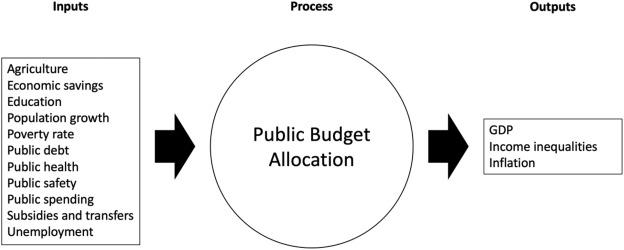
By integrating machine learning into budget allocation, marketers can move beyond traditional heuristics and gut feelings. These intelligent algorithms analyze historical data, real-time engagement metrics, and consumer behavior patterns to dynamically redistribute funds where they will yield the highest return. Instead of static budgets, campaigns evolve continuously, responding to performance fluctuations with precision and agility. This means fewer wasted dollars and more targeted investments on channels and creatives driving genuine value.
Key advantages of this approach include:
- Data-Driven Decisions: Leveraging vast datasets to identify optimal spend across multiple platforms.
- Adaptive Learning: Algorithms that refine allocation strategies as new data pours in.
- Enhanced Efficiency: Minimizing underperforming ads while scaling winning campaigns effortlessly.
| Budget Method | Average ROI | Adjustment Frequency |
|---|---|---|
| Static Allocation | 12% | Quarterly |
| Rule-Based Allocation | 18% | Monthly |
| ML-Driven Allocation | 27% | Daily |
Measuring Campaign Success with Real-Time AI Insights
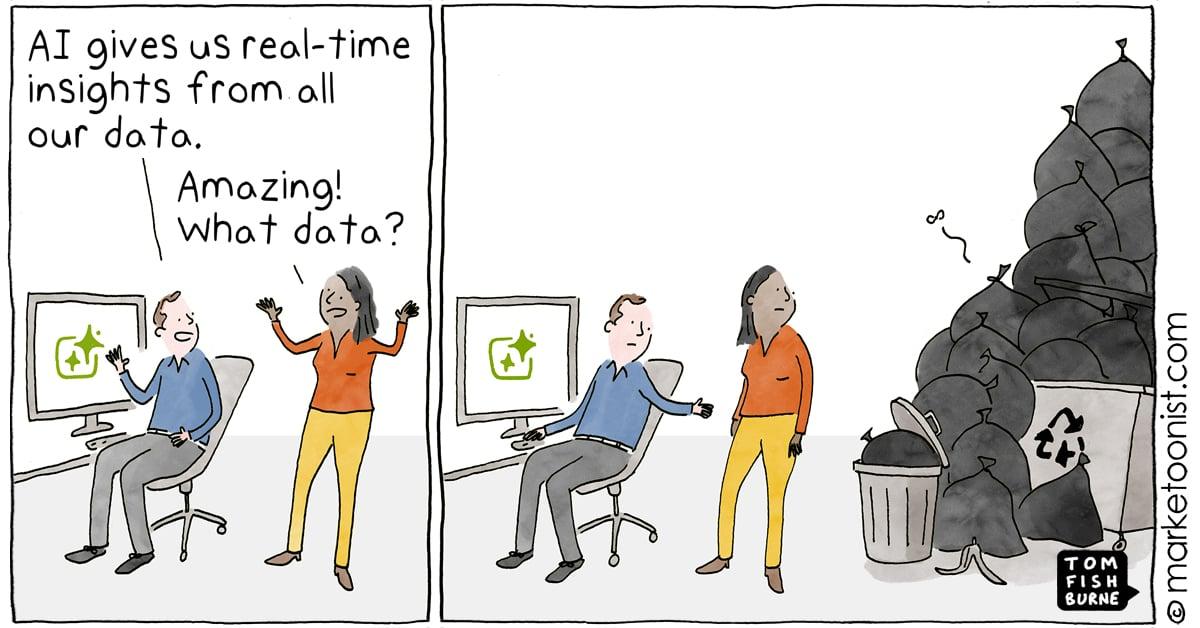
In the fast-paced world of digital marketing, having access to real-time AI insights transforms how success is gauged and decisions are made. Sophisticated algorithms analyze campaign data instantly, identifying patterns and flagging underperforming elements, allowing marketers to pivot strategies without delay. This dynamic feedback loop means every click, impression, and interaction contributes to a constantly evolving picture of campaign health, far beyond traditional weekly or monthly reports.
Key metrics enhanced by AI include:
- Engagement rates tracked dynamically across platforms
- Conversion predictions based on user interaction trends
- Sentiment analysis from social comments and feedback
- Audience segmentation adjustments through behavioral insights
| Metric | Traditional Reporting | AI-Driven Reporting |
|---|---|---|
| Response Time | Days to Weeks | Instant |
| Optimization Approach | Manual | Automated & Predictive |
| Accuracy | Retrospective | Prospective & Adaptive |
Concluding Remarks
As the digital landscape continues to evolve, the fusion of artificial intelligence and advertising is more than a trend-it’s a transformative force reshaping how brands connect with audiences. By harnessing AI’s power to analyze data, predict consumer behavior, and optimize campaigns in real time, marketers can unlock unprecedented levels of efficiency and creativity. The future of ad performance lies not just in automation, but in a thoughtful partnership between human insight and intelligent technology. Embracing this synergy promises a new era where campaigns are not only smarter but also more impactful, paving the way for advertising that truly resonates in an ever-changing marketplace.