
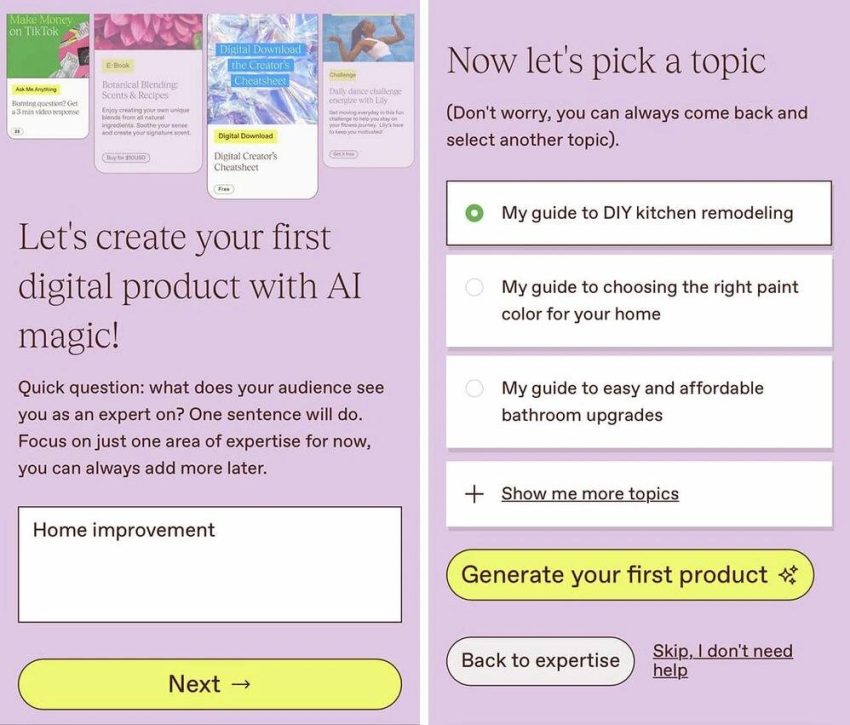
In an age where knowledge is currency and time is precious, mini courses have emerged as a powerful way to share expertise in bite-sized, accessible formats. Whether you’re an educator, entrepreneur, or enthusiast eager to turn your skills into income, crafting and selling mini courses offers a unique blend of creativity, engagement, and entrepreneurship. This step-by-step guide will walk you through the essential phases of designing compelling content, packaging it effectively, and navigating the marketplace to reach eager learners. By the end, you’ll be equipped not only to create impactful mini courses but also to transform your passion into a thriving digital product.
Table of Contents
- Understanding Your Audience to Design Impactful Mini Courses
- Structuring Content for Maximum Engagement and Retention
- Choosing the Right Platform to Showcase and Sell Your Courses
- Effective Marketing Strategies to Boost Your Mini Course Sales
- The Conclusion

Understanding Your Audience to Design Impactful Mini Courses
Knowing exactly who you’re creating for transforms your mini course from a generic lesson into a tailored experience that resonates deeply. Dive beyond surface-level demographics and explore your audience’s aspirations, daily struggles, and preferred learning styles. Is your ideal learner someone looking to quickly upskill during their lunch break, or are they seeking a comprehensive exploration of a niche topic? This clarity helps you design course modules that are not just informative but immediately applicable, boosting engagement and completion rates.
Consider crafting detailed learner personas that highlight:
- Age range and professional background to align content complexity
- Primary goals and challenges to address pain points directly
- Preferred content format such as videos, quizzes, or downloadable worksheets
- Time availability to set realistic course durations and pacing
Here’s a quick reference template to map out your audience insights:
| Audience Aspect | Details | Impact on Course Design |
|---|---|---|
| Demographics | 25-35, working professionals | Use concise, jargon-free language |
| Goals | Quick skill acquisition | Focus on actionable steps and summaries |
| Content Format | Video and interactive quizzes | Include multimedia and engaging assessments |
| Learning Pace | 10-15 minutes daily | Segment content into bite-sized lessons |

Structuring Content for Maximum Engagement and Retention
To captivate your learners immediately and keep them hooked, begin by organizing your material into clear, digestible segments. Use headings, subheadings, and bullet points to break up large blocks of text and make your content visually appealing. Incorporating varied content formats like videos, infographics, and quizzes can reinforce learning and accommodate different learning styles. Remember, a well-structured course helps reduce cognitive overload, enabling students to absorb information more effectively and retain it longer. Consistency in flow-from introduction to conclusion-builds a seamless learning journey that encourages progression and completion.
Enhancing retention also depends on integrating active learning elements throughout your course. Embed frequent opportunities for interaction, such as reflective questions, quick summaries, and practical assignments. Here’s a simple strategy outline to follow:
- Introduce key concepts: Set clear expectations with concise overviews.
- Chunk the content: Divide lessons into 3-5 minute sections to maintain focus.
- Engage with multimedia: Use images, charts, and audio to cater to multiple senses.
- Reinforce learning: Summarize at the end of each section.
- Assess understanding: Include quizzes or assignments to apply knowledge.
| Content Type | Purpose | Example |
|---|---|---|
| Video | Visual explanation | Step-by-step tutorials |
| Infographic | Visual summary | Process flow charts |
| Quiz | Knowledge check | Multiple choice questions |

Choosing the Right Platform to Showcase and Sell Your Courses
When selecting a platform to showcase and sell your mini courses, it’s crucial to balance functionality with user experience. Look for platforms that offer intuitive course builders, secure payment gateways, and options for branding customization to maintain your unique voice. Consider whether the platform supports multimedia content, quizzes, and community features, as these elements enhance learning engagement and retention. Additionally, evaluate how the platform handles student progress tracking and analytics to optimize course delivery over time.
Beyond features, pricing models and scalability can significantly impact your long-term success. Some platforms operate on a subscription basis, while others take a percentage of each sale-choose one that aligns with your projected growth. Reviewing customer support quality and integration capabilities with email marketing or CRM tools can smooth your workflow. The table below highlights a few popular choices, each with distinct strengths to fit diverse needs:
| Platform | Best For | Pricing Model | Unique Feature |
|---|---|---|---|
| Teachable | Beginners & SMEs | Subscription + Transaction Fees | Easy course builder + Affiliate program |
| Thinkific | Customization lovers | Subscription only | Full white-label options |
| Udemy | Wide reach | Revenue share | Large built-in marketplace |
| Podia | Creators & solopreneurs | Flat monthly fee | Built-in email marketing |
Effective Marketing Strategies to Boost Your Mini Course Sales
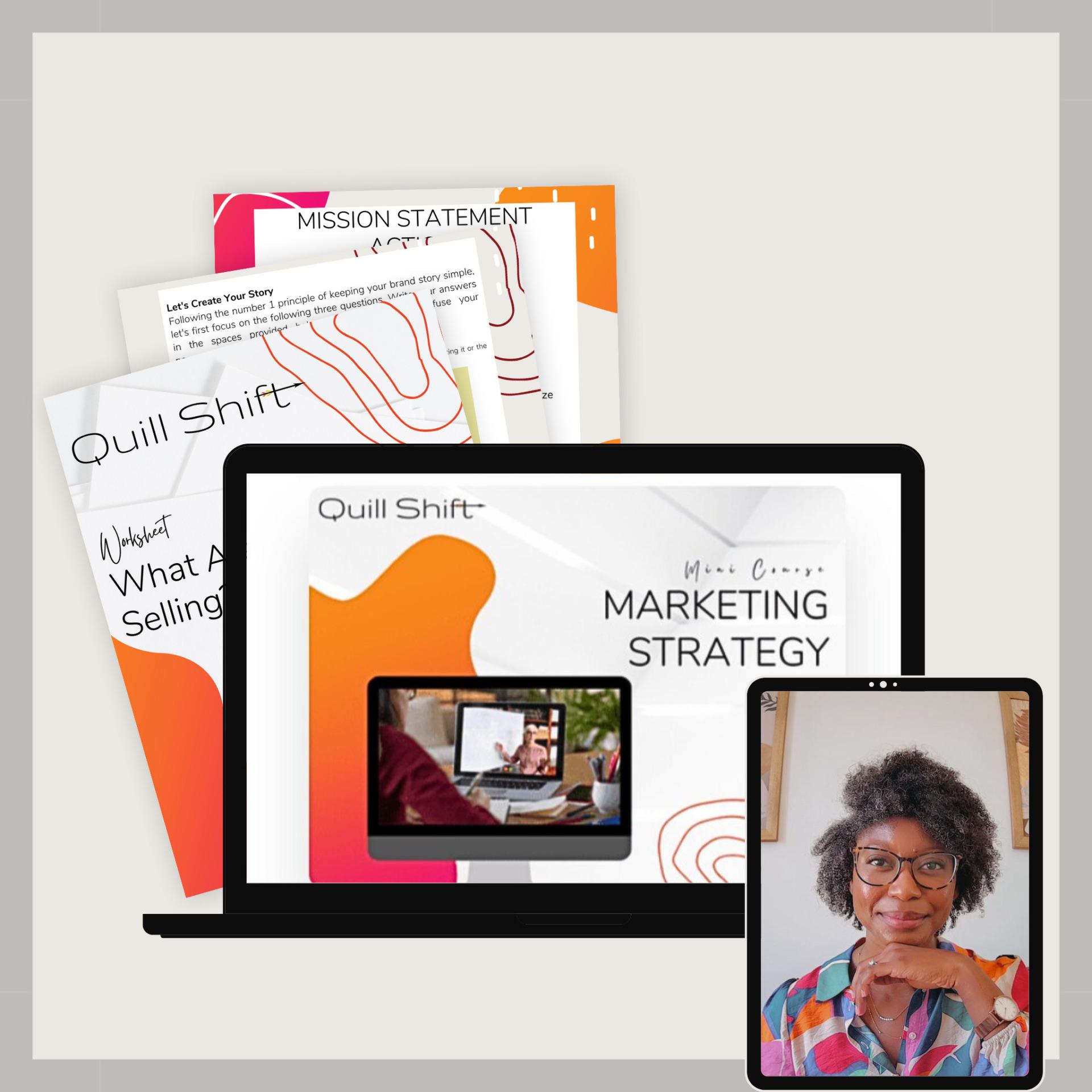
To truly amplify your mini course sales, it’s crucial to implement a blend of innovative tactics that resonate with your target audience. Start by leveraging social proof: incorporate testimonials, case studies, and user-generated content that highlight real success stories. Combine this with strategic pricing-offer early bird discounts, bundle deals, or limited-time offers to create a sense of urgency. Visibility is key, so harness the power of email marketing and targeted social media ads, focusing on platforms where your ideal learners spend their time. Engaging content snippets or teaser videos provide a sneak peek, sparking curiosity and eagerness to enroll.
Another powerful strategy is to build a community around your course. Create exclusive groups or forums where participants can share insights, ask questions, and celebrate milestones. This not only enhances retention but organically generates word-of-mouth buzz, which drives long-term sales growth. Below is a quick overview of essential marketing actions paired with their primary benefits:
| Marketing Action | Benefit |
|---|---|
| Social Proof Integration | Boosts credibility and trust |
| Limited-Time Offers | Encourages quick decision-making |
| Teaser Content | Generates excitement and anticipation |
| Community Building | Enhances engagement and loyalty |
The Conclusion
Embarking on the journey of crafting and selling mini courses is more than just a business endeavor-it’s an opportunity to share your expertise in a focused, accessible way. By breaking down your knowledge into bite-sized lessons, you unlock a new realm of engagement and learning for your audience. With each step carefully outlined, from idea conception to marketing strategies, you’re now equipped to turn your passion into a thriving mini course. Remember, the beauty of mini courses lies in their simplicity and impact, offering learners just enough to spark transformation without overwhelm. So take that first step, refine your content, and watch your educational vision come to life-one mini course at a time.