
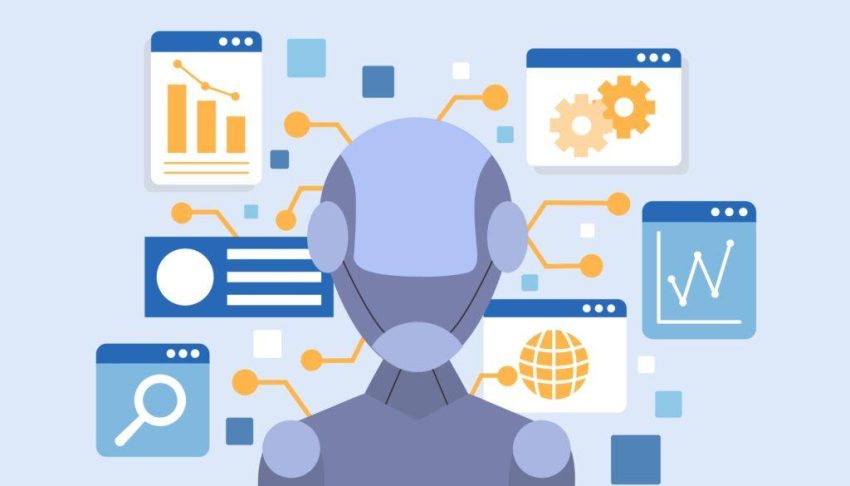
In the ever-evolving landscape of e-commerce, dropshipping has long stood as a beacon of accessibility and innovation, allowing entrepreneurs to launch businesses without the burdens of inventory management. Now, a new wave of transformation is sweeping through the industry: the rise of AI-generated products. This fusion of artificial intelligence and dropshipping is not just redefining what products can be-it’s reshaping how they are conceived, customized, and delivered to consumers. As technology pushes the boundaries of creativity and automation, unlocking the potential of AI-generated products promises to open unprecedented doors for sellers and buyers alike, heralding a fresh chapter in the story of digital commerce.
Table of Contents
- The transformation of product creation through artificial intelligence
- Navigating supply chain efficiencies with AI-driven dropshipping models
- Strategies for integrating AI-generated products into your ecommerce store
- Ethical considerations and best practices for AI in dropshipping industry
- To Wrap It Up

The transformation of product creation through artificial intelligence
Artificial intelligence is revolutionizing how products are conceived and brought to market, offering dropshippers a powerful edge. By harnessing AI algorithms, entrepreneurs bypass traditional design bottlenecks, enabling rapid prototyping and customization based on real-time consumer insights. This not only accelerates the product development timeline but also dramatically reduces costs, transforming ideas into tangible offerings with unprecedented efficiency. AI’s ability to analyze vast data sets ensures that products meet current trends and customer preferences, making every launch smarter and more targeted.
Key impacts of AI on product creation include:
- Automated Design Suggestions: AI tools generate multiple product variations, optimizing for aesthetics and functionality.
- Smart Material Selection: Machine learning predicts durable, sustainable materials that enhance product longevity.
- Predictive Demand Forecasting: Algorithms forecast market demand helping dropshippers stock the right items quantity.
- Customization at Scale: AI tailors products for niche demographics without manual intervention.
| AI Feature | Benefit | Outcome |
|---|---|---|
| Generative Design | Creates diverse product options | Increased innovation and appeal |
| Sentiment Analysis | Understands customer feedback | Enhanced product refinement |
| Supply Chain Optimization | Streamlines sourcing and delivery | Faster market entry |
Navigating supply chain efficiencies with AI-driven dropshipping models
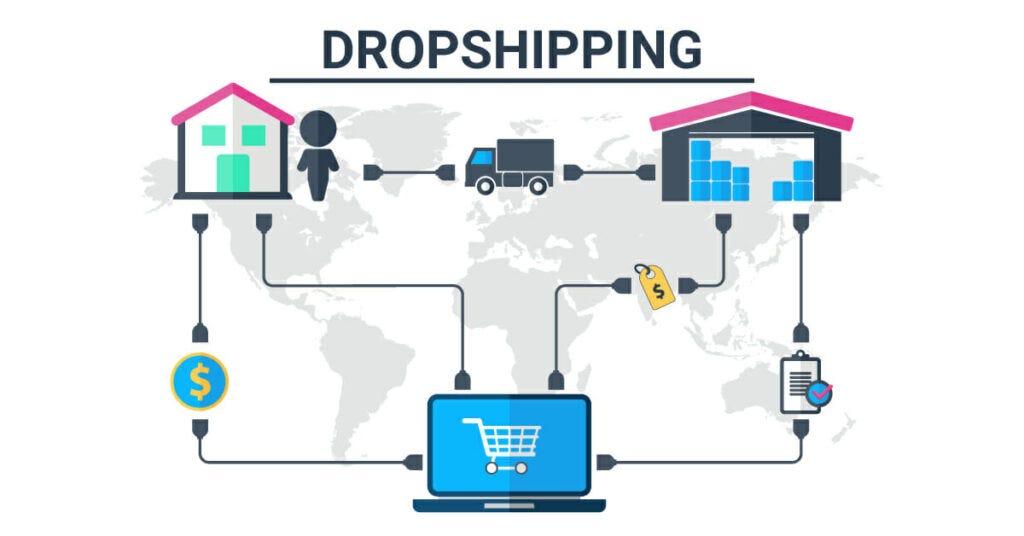
Modern dropshipping models are undergoing a transformation fueled by AI’s ability to streamline the supply chain from product creation to delivery. By integrating predictive analytics and automated inventory management, businesses can anticipate demand fluctuations and reduce the latency traditionally seen in order fulfillment. This shift not only minimizes stockouts but also optimizes warehouse storage and shipment routes, resulting in faster turnaround times without inflating operational costs.
Moreover, AI-driven platforms often employ real-time data synchronization across suppliers, manufacturers, and logistics partners, creating a fluid network that adapts dynamically to consumer trends. This ecosystem promotes transparency and agility, empowering dropshippers to focus on scaling without being bogged down by logistical challenges. Key advantages include:
- Automated supplier matching: AI selects the best vendors based on price, reliability, and delivery speed.
- Demand forecasting: Machine learning models predict product interest to align supply chain activities.
- Reduced operational waste: Smarter procurement avoids excess inventory and returns.
| AI Function | Impact on Dropshipping | Benefit |
|---|---|---|
| Demand Forecasting | Aligns supply with predicted customer demand | Improved stock efficiency |
| Route Optimization | Automates shipment logistics for speed | Faster delivery times |
| Real-Time Inventory Sync | Updates product availability instantly | Eliminates overselling |
Strategies for integrating AI-generated products into your ecommerce store
Begin by curating your AI-generated products with a clear focus on your target market’s preferences. Use AI tools not only to create unique product designs but also to analyze trending niches and customer behaviors. By leveraging AI-driven insights, you can fine-tune your inventory to feature items that resonate, boosting both engagement and conversions. Integrate seamless syncing between AI platforms and your ecommerce CMS to automate product listings, descriptions, and pricing updates, ensuring your store remains dynamic and up-to-date without manual overload.
Next, optimize product presentation using AI-enhanced visuals and personalized recommendations to improve user experience. Employ AI-powered chatbots or virtual assistants trained specifically on your generated products to guide shoppers, answer questions, and upsell complementary items. For effective management, consider this simple checklist:
- Automate inventory updates to reflect real-time availability.
- Use targeted email campaigns based on AI-generated customer data.
- Test various layouts with AI A/B testing for maximum appeal.
- Monitor analytics continuously to refine offerings.

Ethical considerations and best practices for AI in dropshipping industry
Responsibly integrating AI into the dropshipping industry means balancing innovation with integrity. It’s crucial to maintain transparency about AI-generated products-customers should be informed when items are created or optimized by artificial intelligence. This openness fosters trust and encourages a more authentic shopping experience. Additionally, prioritizing data privacy and ethical sourcing ensures that AI tools don’t exploit consumer information or promote products derived from dubious supply chains.
Best practices also extend to continuous monitoring and refining of AI algorithms to prevent bias and maintain quality. Sellers should consider:
- Regular audits of AI-generated content for accuracy and ethical alignment.
- Clear disclaimers when products are AI-designed or enhanced.
- Respect for intellectual property when using AI to avoid replication of copyrighted work.
- Customer feedback integration to ensure AI improvements truly meet user needs.
| Ethical Aspect | Recommended Practice |
|---|---|
| Transparency | Disclose AI involvement in product creation |
| Data Privacy | Protect customer information with encryption |
| Quality Control | Conduct regular AI output reviews |
| IP Respect | Use AI to innovate, not replicate |
To Wrap It Up
As the boundaries between technology and commerce continue to blur, AI-generated products are carving out a new frontier in the dropshipping landscape. This fusion of innovation and entrepreneurship not only promises efficiency and scalability but also challenges traditional notions of creativity and supply chains. Whether you’re an established seller or a curious newcomer, embracing AI-driven opportunities could be the key to unlocking unprecedented growth. In the evolving story of dropshipping, AI isn’t just a tool-it’s the next chapter waiting to be written.