

In the ever-evolving landscape of technology, data stands as the new gold-raw, abundant, and brimming with potential. Yet, without careful refinement, its true value remains hidden in plain sight. Enter data annotation: the meticulous art of labeling and organizing data to train the intelligent systems shaping our future. For those seeking fresh avenues to unlock income potential, data annotation jobs offer a unique bridge between human insight and machine learning. This guide will navigate the essentials of this growing field, shedding light on how you can turn precision and patience into a rewarding source of income.
Table of Contents
- Unlock Income Potential with Data Annotation Opportunities
- Exploring the Essential Skills for Success in Data Annotation
- Choosing the Right Platforms and Tools for Steady Earnings
- Maximizing Your Productivity and Building a Sustainable Workflow
- To Wrap It Up

Unlock Income Potential with Data Annotation Opportunities
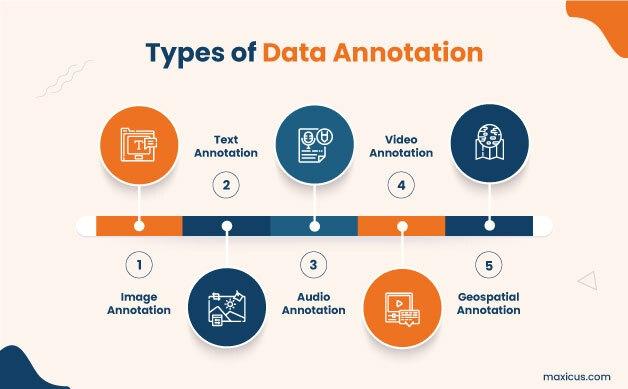
Exploring the world of data annotation opens up a gateway to flexible income streams that cater to diverse skill levels. From labeling images for AI training to annotating text for natural language processing, these tasks allow you to work remotely with minimal upfront investment. Whether you’re a student, freelancer, or simply looking for a side hustle, data annotation offers a scalable way to monetize your time and precision.
To help you navigate this growing field, here’s a snapshot of popular data annotation niches along with their average earning potential and required skills:
| Annotation Type | Skill Level | Estimated Pay | Key Tools |
|---|---|---|---|
| Image Labeling | Beginner | $10 – $15/hr | Labelbox, CVAT |
| Text Annotation | Intermediate | $12 – $18/hr | Prodigy, Doccano |
| Audio Transcription | Beginner | $8 – $14/hr | Audacity, Transcribe |
| Video Annotation | Advanced | $15 – $25/hr | VIA, CVAT |
By honing specific skills and leveraging digital tools, you can unlock steady streams of income. Embracing these micro-tasks not only amplifies your earning potential but also contributes to cutting-edge AI developments, making your role pivotal in shaping future technologies.
Exploring the Essential Skills for Success in Data Annotation
Mastering the realm of data annotation requires more than just a basic understanding of the task. At its core, precision and attention to detail are non-negotiable skills that lay the foundation for success. Annotators must consistently identify and label data with high accuracy, ensuring that machines learn from the most reliable input. Beyond accuracy, adaptability plays a crucial role as projects often vary in nature-from text and image labeling to audio transcription-each demanding unique competencies and tools. Cultivating a mindset open to learning new techniques and technologies actively boosts your value in this dynamic field.
Communication skills are another pivotal element often overlooked. While much of the work is independent, collaborating with project managers and developers to clarify project guidelines is vital for quality output. Additionally, being organized and managing time efficiently allows annotators to meet deadlines without compromising on quality. Here’s a quick snapshot of must-have skills:
- Analytical Thinking: Decipher complex data patterns to improve annotation quality.
- Technical Proficiency: Familiarity with annotation software and machine learning basics.
- Consistency: Maintain uniform standards across large datasets.
- Problem-Solving: Identify and mitigate inconsistencies or ambiguities in data.
| Skill | Benefit | Example |
|---|---|---|
| Attention to Detail | Reduces errors in labeling | Accurately tagging objects in images |
| Technical Literacy | Enables use of specialized tools | Navigating annotation platforms smoothly |
| Time Management | Ensures timely project delivery | Meeting daily annotation quotas |

Choosing the Right Platforms and Tools for Steady Earnings
Success in data annotation hinges significantly on selecting platforms that align with your skill set and financial goals. Leading platforms like Appen, Lionbridge, and Amazon Mechanical Turk offer a variety of tasks from image tagging to audio transcription, catering to different expertise levels. Prioritize platforms that provide consistent work, reliable payment methods, and positive community feedback to create a sustainable income stream. Additionally, evaluating their support for various annotation types-such as bounding boxes, sentiment analysis, or named entity recognition-ensures you are working in areas where you can excel and maintain high accuracy.
Beyond the choice of platforms, integrating the right tools into your workflow can dramatically boost productivity and earnings. Tools with user-friendly interfaces and built-in quality checks, like LabelImg for image annotation or Prodigy for text, streamline the process and reduce errors. Consider the following when assessing tools:
- Compatibility: Should work seamlessly with your chosen platform and file formats.
- Automation Features: Ability to pre-label or suggest annotations to speed up work.
- Collaboration: Options for team annotation if you’re working in groups or want client feedback.
| Platform/Tool | Best For | Key Benefit |
|---|---|---|
| Appen | Variety of annotation tasks | Consistent job flow |
| LabelImg | Image bounding boxes | Simple and efficient |
| Prodigy | Text annotation | Machine learning integration |

Maximizing Your Productivity and Building a Sustainable Workflow
To truly excel in data annotation and maintain a consistent workflow, integrating smart time management techniques is essential. Start by breaking down your tasks into manageable chunks, setting realistic daily goals, and eliminating distractions. The key is not just to work harder but to work smarter – leverage tools like task timers or workflow apps to track your efficiency and identify any productivity dips. This proactive approach transforms overwhelming projects into bite-sized, achievable milestones, enabling you to sustain high-quality output without burnout.
Building a sustainable workflow goes beyond just time management; it involves creating an environment where repetition doesn’t lead to fatigue. Consider establishing a routine that incorporates regular breaks and varying types of annotation tasks to keep your engagement high. Here’s a helpful outline to balance speed and accuracy:
- Batch similar tasks to reduce cognitive switching costs
- Maintain a distraction-free workspace tailored to focus
- Set timer intervals using techniques like Pomodoro
- Review and adjust your goals weekly to track progress
- Incorporate light physical activity during breaks to refresh your mind
| Workflow Element | Benefit | Tip |
|---|---|---|
| Task Batching | Enhances focus and reduces errors | Group similar annotation types |
| Regular Breaks | Prevents burnout and sustains energy | Use 5-min breaks every 25 mins |
| Goal Setting | Measures progress and boosts motivation | Set daily achievable targets |
To Wrap It Up
As the digital world continues to expand, the demand for accurate, well-annotated data grows stronger by the day. Data annotation jobs offer a unique gateway to unlock your income potential, blending flexibility with the opportunity to contribute to cutting-edge technologies. Whether you’re seeking a side hustle or a full-time venture, understanding the landscape and honing your skills can open doors to rewarding possibilities. So, take the first step into this dynamic field-because behind every great AI is a keen eye adding meaning to the pixels, words, and sounds that shape our future.