
In today’s fast-paced digital landscape, the art of advertising is evolving at an unprecedented rate. Traditional strategies, while still valuable, are no longer sufficient to capture the fleeting attention of modern audiences. Enter artificial intelligence-an innovative force reshaping the way brands connect with consumers. By harnessing AI, marketers can revolutionize their ad campaigns with precision, agility, and efficiency, unlocking insights and optimizing performance like never before. This article explores how embracing AI technology can transform your advertising efforts, turning complexity into clarity and potential into tangible results.
Table of Contents
- Understanding AI’s Role in Transforming Advertising Strategies
- Leveraging Data-Driven Insights to Enhance Campaign Performance
- Implementing Automated Tools for Precise Audience Targeting
- Optimizing Budget Allocation Through Predictive Analytics
- Insights and Conclusions

Understanding AI’s Role in Transforming Advertising Strategies
Artificial Intelligence has become a game-changer in the advertising world by enabling marketers to move beyond traditional guesswork into a realm of data-driven precision. Through advanced algorithms, AI can analyze massive datasets in real-time, uncovering audience preferences, behavioral trends, and optimal engagement windows. This empowered insight allows campaigns to be hyper-targeted, which not only maximizes reach but also enhances relevance, resulting in higher conversion rates. Brands leveraging AI can automate creative testing and continuously refine messaging based on what resonates most, all while saving valuable time and resources.
Embracing AI means adopting tools that support smarter decision-making through automation and personalization. Key capabilities include:
- Predictive Analytics: Forecasting consumer reactions before launching campaigns.
- Dynamic Content Creation: Generating tailored ads that adapt to real-time user interactions.
- Performance Optimization: Automatically adjusting bids and budgets for maximum ROI.
These advancements cultivate a more agile advertising environment where insights translate directly into actionable strategies, paving the way for continuous growth and innovation.
Leveraging Data-Driven Insights to Enhance Campaign Performance
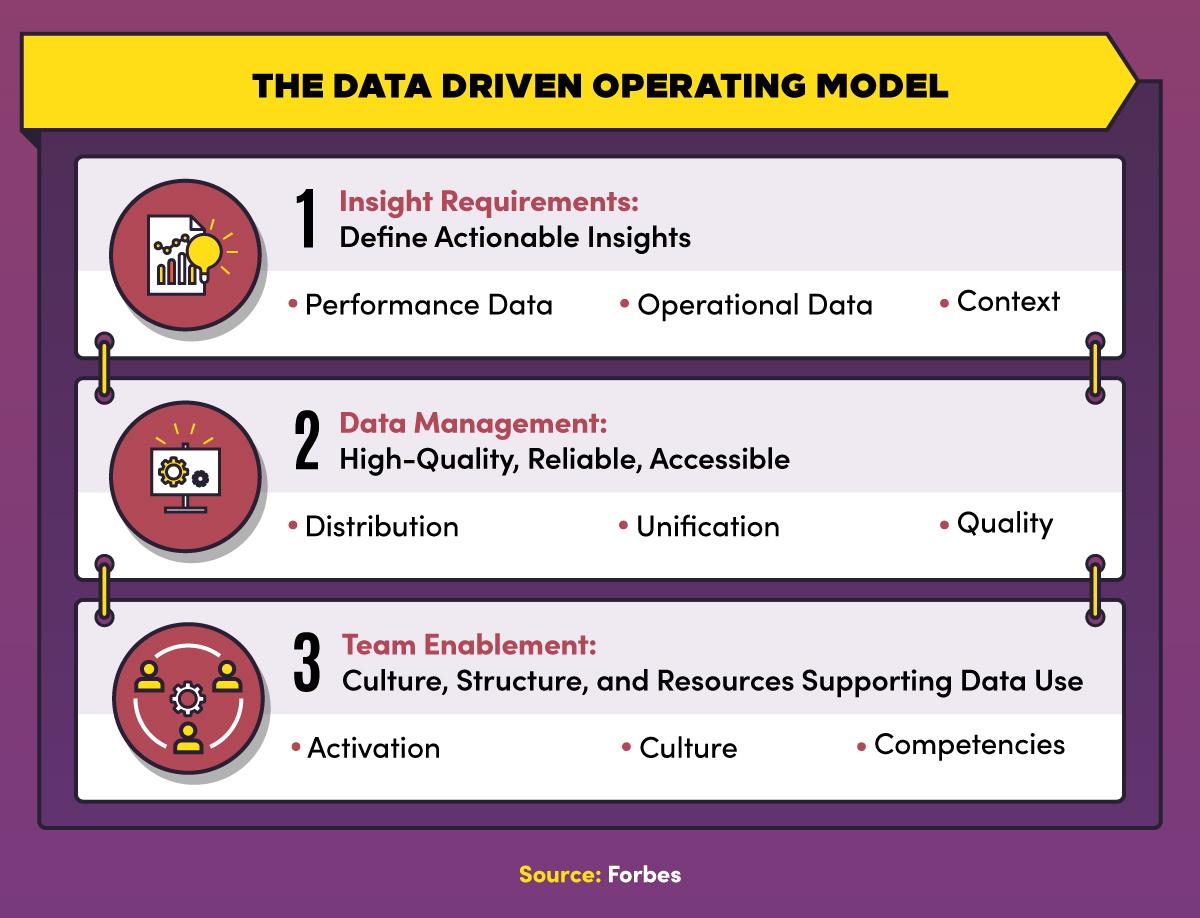
Unlocking the full potential of advertising campaigns hinges on the ability to dissect vast reservoirs of data and translate them into actionable strategies. By harnessing advanced analytics, marketers can identify patterns, predict trends, and tailor messaging with surgical precision. This approach not only streamlines budget allocation but also magnifies ROI by focusing resources on high-impact channels and audience segments. Key benefits include:
- Real-time performance tracking to pivot strategies swiftly
- Improved customer journey mapping to enhance engagement
- Optimized creative and copy based on consumer behavior
To better visualize the interplay of variables that drive success, consider the following breakdown of campaign elements and their impact ratings based on data-driven insights:
| Element | Impact Rating | Optimization Tip |
|---|---|---|
| Audience Segmentation | 9/10 | Utilize AI to refine target groups |
| Ad Placement | 8/10 | Adopt programmatic buying to boost relevance |
| Creative Personalization | 7/10 | Leverage dynamic content |
| Engagement Metrics | 8/10 | Continuously adjust based on click-through and conversion rates |
Implementing Automated Tools for Precise Audience Targeting
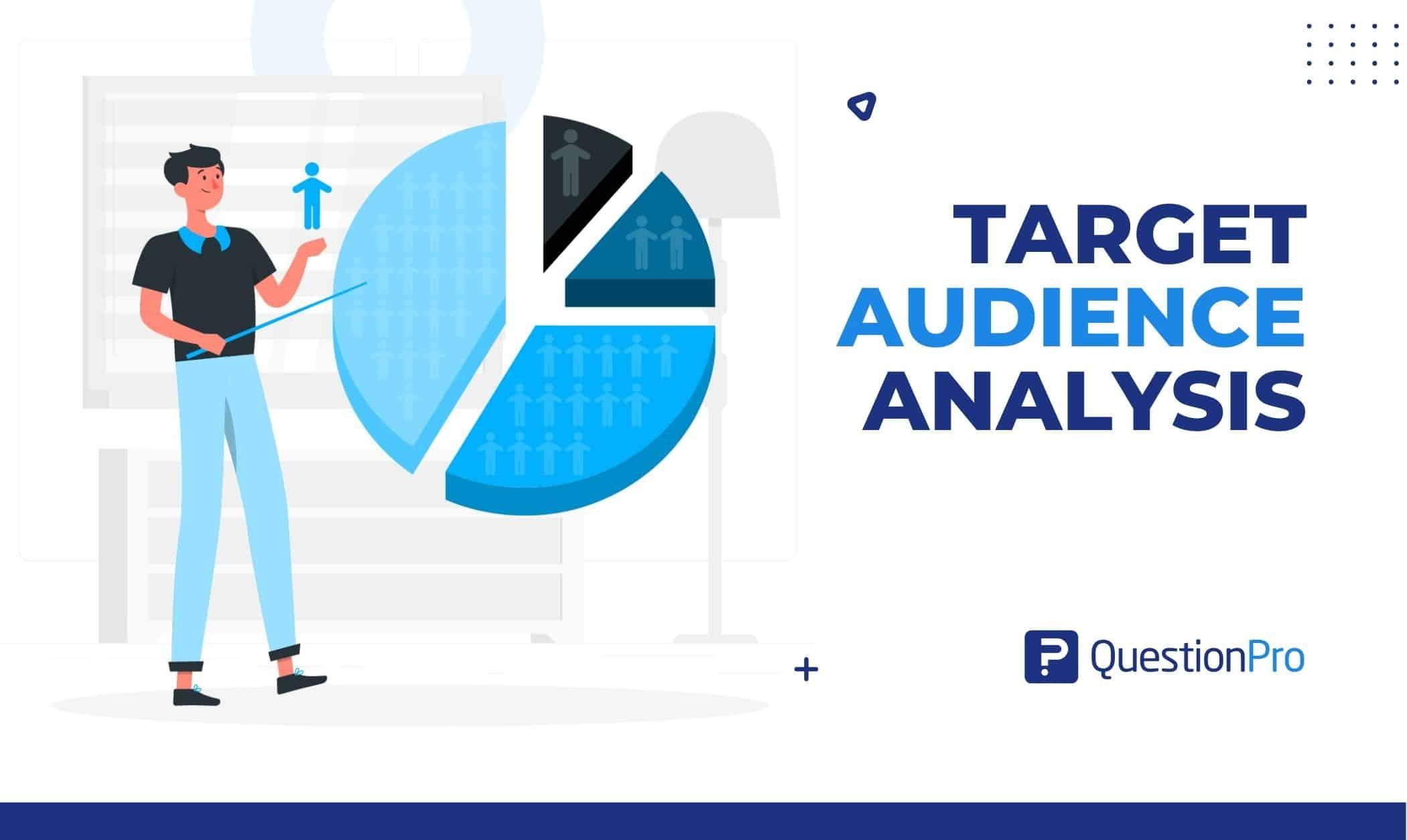
Automation technology empowers marketers to dive deeper into customer segmentation by leveraging real-time data analysis and machine learning algorithms. These tools parse through vast amounts of behavioral, demographic, and psychographic data to identify subtle patterns and audience preferences that manual analysis often overlooks. As a result, marketers can deliver ads that resonate more personally with target groups, boosting engagement rates and maximizing return on investment. Incorporating features like predictive analytics and dynamic content customization, automated platforms adjust campaigns on the fly to ensure every impression counts.
Key advantages include:
- Enhanced precision in identifying high-value customers
- Dynamic budget allocation based on performance metrics
- Real-time adjustments to ad copy and creatives
- Reduction of wasted ad spend by filtering out irrelevant audiences
| Feature | Benefit | Example Use Case |
|---|---|---|
| AI-Powered Segmentation | Unlocks hidden audience niches | Discovering micro-segments within large markets |
| Automated Bid Adjustments | Maximizes budget efficiency | Increasing bids for users with higher conversion potential |
| Predictive Targeting | Anticipates future customer behavior | Serving timely ads before purchase intent peaks |

Optimizing Budget Allocation Through Predictive Analytics
Efficient budget allocation is no longer a guessing game-predictive analytics transforms it into a strategic science. By leveraging historical data patterns and real-time user behavior, marketers can anticipate which channels and campaigns will deliver the highest return on investment. This approach allows for continuous refinement, ensuring every dollar spent fuels the growth engine optimally. Key benefits include:
- Maximizing conversion rates based on predicted audience responses.
- Minimizing wasteful spending on underperforming platforms.
- Adapting quickly to market shifts with data-driven insights.
Integrating predictive analytics with your ad strategy involves harnessing machine learning models that score each campaign element for potential success. Below is a quick comparison illustrating how predictive analytics reallocates budget dynamically, compared to traditional static budgeting.
| Budget Approach | Adaptability | ROI Focus | Example Outcome |
|---|---|---|---|
| Static Budgeting | Low | General | Fixed spend on all channels |
| Predictive Analytics | High | Targeted | Funds shift toward high-performing ads |
Insights and Conclusions
As artificial intelligence continues to evolve, its potential to transform advertising grows ever more compelling. By harnessing AI, marketers can unlock new levels of efficiency, creativity, and precision, turning conventional ad campaigns into dynamic, data-driven experiences. Embracing these intelligent tools is no longer just an option-it’s a strategic imperative for those ready to revolutionize their approach and stay ahead in a constantly shifting landscape. The future of advertising is here, and with AI as your ally, the possibilities are limitless.