

In the vast digital landscape, domains are more than just web addresses-they’re coveted real estate with untapped potential. Flipping domains, the art of buying and selling these virtual properties for profit, has evolved into a dynamic side hustle and serious business alike. Whether you’re a curious novice or a budding entrepreneur, understanding the nuances behind profitable domain sales can open doors to a rewarding venture. This step-by-step guide will navigate you through the essentials of domain flipping, offering practical insights and strategies to turn your online investments into tangible gains.
Table of Contents
- Understanding Market Trends to Identify High-Value Domains
- Evaluating Domain Potential Through Traffic and SEO Metrics
- Crafting Effective Acquisition Strategies for Undervalued Domains
- Optimizing Sales Listings to Maximize Buyer Interest and Profit
- Insights and Conclusions
Understanding Market Trends to Identify High-Value Domains
The key to striking gold in the domain flipping world lies in tapping into current and emerging market dynamics. By analyzing search volume shifts, industry growth areas, and even cultural trends, investors can pinpoint niches ripe with potential. For instance, technology sectors like AI and blockchain are rapidly evolving, generating demand for memorable domains that capture the essence of innovation. Meanwhile, traditional sectors such as real estate and health continue to offer steady opportunities. By staying agile and informed, domain flippers ensure their portfolios reflect the pulse of the marketplace and anticipate where buyer interest will surge next.
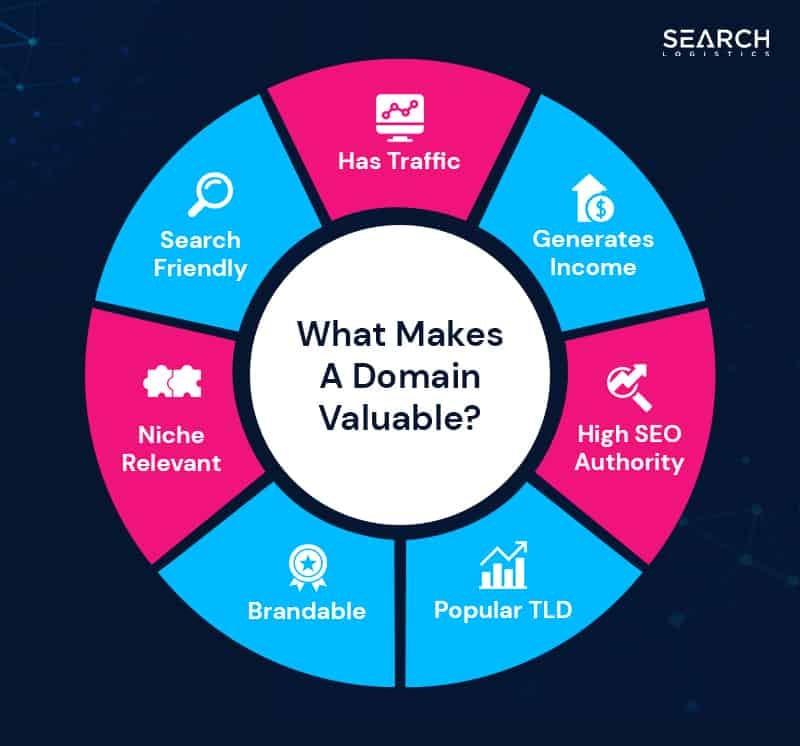
When evaluating domains, consider these pivotal factors to align domain value with market trends:
- Keyword Popularity: Domains containing trending keywords often command higher prices.
- Brandability: Short, catchy, and easy-to-pronounce names enhance market appeal.
- Extension Relevance: While .com reigns supreme, niche extensions (.tech, .health) can add value within specific markets.
- Future-Proofing: Domains linked to emerging industries or cultural shifts minimize the risk of depreciation.
| Market Sector | Trending Domain Keywords | Buyer Interest Level |
|---|---|---|
| Technology | AI, Quantum, Crypto | High |
| Health & Wellness | Fitness, Nutrition, MentalHealth | Medium |
| Real Estate | Homes, Rentals, UrbanLiving | Medium |
| Finance | Invest, Crypto, Wealth | High |
Evaluating Domain Potential Through Traffic and SEO Metrics
To gauge the true value of a domain, scrutinizing its traffic patterns and SEO metrics is a vital step. Start by analyzing the volume and consistency of visitors, as domains with steady, organic traffic usually indicate established interest and authority. Tools like Google Analytics and SEMrush can reveal deeper insights, including referral sources and user behavior, forming a clearer picture of a domain’s strength. Additionally, backlinks remain a cornerstone of SEO credibility-domains backed by a diverse and authoritative backlink profile tend to attract higher bids from savvy buyers.
When reviewing SEO metrics, focus on key indicators such as Domain Authority (DA), Page Authority (PA), and keyword ranking potential. These metrics help forecast the domain’s ability to perform in search engine results pages (SERPs), which directly impacts resale value. Below is a quick reference table to compare common SEO benchmarks and their implications for domain flipping:
| SEO Metric | Low Score | Medium Score | High Score | Implication |
|---|---|---|---|---|
| Domain Authority (DA) | 1 – 20 | 21 – 50 | 51 – 100 | Higher DA boosts trustworthiness and ranking power. |
| Backlink Quantity | 0 – 100 | 101 – 500 | 500+ | More backlinks signal domain popularity and influence. |
| Organic Traffic | 0 – 500 | 501 – 5,000 | 5,001+ | Consistent traffic highlights real user engagement. |
- Check Spam Score: Avoid domains with high spam ratings, which can lead to penalties.
- Analyze Historical Trends: Use tools to confirm traffic growth or stability over several months.
- Evaluate Keyword Relevance: Domains ranking for niche-specific or commercial keywords offer greater monetization potential.

Crafting Effective Acquisition Strategies for Undervalued Domains
When approaching domain acquisition, it’s essential to identify undervalued gems that have potential beyond their current market perception. Dive deep into metrics like domain age, keyword relevance, and traffic history to uncover hidden opportunities. Prioritize domains with clean backlink profiles and absence of penalties, as these factors dramatically increase the probability of a profitable flip. Utilize tools like Ahrefs or SEMrush to analyze competitor domains and spot patterns that the market may have overlooked.
Crafting an effective strategy also involves a well-planned budget and negotiation approach. Always keep these elements in mind:
- Set maximum acquisition limits: Avoid overpaying by defining clear price ceilings based on ROI estimates.
- Focus on niche-specific relevance: Domains closely aligned with specialized markets often yield higher conversion and resale value.
- Monitor auction trends: Participate actively in domain auctions to snag deals below market rate.
- Leverage direct outreach: Sometimes contacting domain owners directly initiates sales outside competitive auctions, reducing costs.
| Acquisition Factor | Importance Level | Tool/Method |
|---|---|---|
| Domain Age | High | Whois, Wayback Machine |
| Backlink Quality | Critical | Ahrefs, Moz |
| Keyword Relevance | Medium | Google Keyword Planner |
| Traffic History | High | SimilarWeb, SEMrush |
| Owner Negotiability | Variable | Direct Outreach |

Optimizing Sales Listings to Maximize Buyer Interest and Profit
Crafting a compelling sales listing requires more than just basic information about the domain. Use concise, benefit-driven language that highlights the domain’s potential niches, easy memorability, and keyword relevance. Incorporate trust-building elements such as domain age, traffic stats, and potential SEO benefits. Remember to include high-quality screenshots or proof of traffic and rankings where applicable. A well-structured format with bullet points makes it easy for prospective buyers to scan and grasp the value quickly:
- Domain Age: Demonstrates longevity and trust
- Search Volume & Keywords: Shows market demand
- Past Performance: Any historical sales data or traffic trends
- Market Relevance: Emerging trends or business sectors the domain fits
Pricing and presentation go hand in hand. A transparent, data-driven price helps justify your asking price while fostering buyer confidence. To streamline this, consider the following quick reference table summarizing key listing attributes and recommended buyer appeals:
| Attribute | Buyer Appeal | Pricing Tip |
|---|---|---|
| Memorability | Easy brand recall | Premium pricing |
| SEO Keywords | Boosted organic traffic | Moderate to high value |
| Domain Age | Trust and authority | Price increment based on years |
| Market Trends | Future growth potential | Adjust pricing dynamically |
Insights and Conclusions
In the fast-paced world of digital commerce, flipping domains offers a unique blend of strategy, patience, and opportunity. By understanding the nuances of evaluating, acquiring, and marketing domain names, you can transform simple web addresses into valuable assets. While the journey requires research and a keen eye for trends, the potential rewards make it a compelling venture for both newcomers and seasoned investors alike. As you embark on your domain-flipping adventure, remember that each sale is not just a transaction-it’s a step toward mastering a dynamic online marketplace where creativity meets profit. Happy flipping!