

In the ever-evolving landscape of online commerce, dropshipping has long been hailed as a gateway to entrepreneurial freedom-allowing sellers to offer diverse products without the burden of inventory. Yet, as markets grow saturated and consumer tastes shift with lightning speed, the traditional dropshipping model faces fresh challenges. Enter the convergence of artificial intelligence and product creation: a transformative force that is redefining what’s possible. AI-generated products are not just a technological novelty; they represent a new frontier where creativity, efficiency, and adaptability converge to unlock unprecedented potential in dropshipping. This article explores how AI is reshaping the dropshipping ecosystem, turning it into a dynamic marketplace where innovation meets seamless fulfillment.
Table of Contents
- The Rise of AI-Generated Products in Dropshipping
- Enhancing Product Selection and Customization Through AI
- Optimizing Supply Chains with Intelligent Automation
- Strategic Recommendations for Integrating AI in Dropshipping Businesses
- To Wrap It Up

The Rise of AI-Generated Products in Dropshipping
Artificial Intelligence is reshaping the dropshipping landscape by introducing an entirely new category of products-those generated autonomously by sophisticated algorithms. These AI-generated products range from custom-designed apparel to unique digital art pieces, enabling merchants to offer highly personalized inventory without the overhead of traditional manufacturing. This shift not only reduces costs but also accelerates the product creation cycle, allowing sellers to stay ahead in an ever-evolving market. With AI tools generating designs, product descriptions, and even marketing content, entrepreneurs are empowered to launch and scale their dropshipping stores with unprecedented speed and creativity.
Key benefits of integrating AI-generated products into dropshipping include:
- Endless Product Variations: AI can create countless designs tailored to niche customer segments.
- Data-Driven Trends: AI analyzes real-time market data to fine-tune product offerings.
- Reduced Inventory Risk: Products are synthesized on demand, minimizing unsold stock.
- Efficient Content Creation: Automated descriptions and visuals improve marketing efficiency.
| Feature | Traditional Dropshipping | AI-Generated Products |
|---|---|---|
| Design Customization | Limited by supplier catalog | Highly customizable & scalable |
| Time to Market | Days to weeks | Hours |
| Inventory Management | Requires pre-order stocking | On-demand generation |
| Marketing Content | Manual generation | Automated & optimized |

Enhancing Product Selection and Customization Through AI
AI’s ability to analyze vast amounts of data from consumer behavior, market trends, and social media sentiments enables dropshippers to offer highly targeted and personalized product selections. By leveraging machine learning algorithms, sellers can predict which products will resonate with specific audiences, reducing the guesswork and inventory risks traditionally associated with dropshipping. This dynamic approach ensures a continuously curated catalog that adapts to evolving consumer preferences in real time, creating a seamless and engaging shopping experience.
Customization takes a revolutionary leap with AI-driven tools that allow customers to personalize products effortlessly. From choosing colors and patterns to adding custom text or modifying features, AI-powered configurators use intuitive interfaces and instant visual feedback. Below is a simple breakdown of the customization options enhanced by AI:
| Feature | Benefit | Example |
|---|---|---|
| Dynamic Previews | Instant product visualization | Try different color schemes on apparel |
| Smart Suggestions | Personalized design recommendations | Custom jewelry based on customer’s style |
| Automated Adjustments | Optimized for production & shipping | Size and material adapts to trends |
Optimizing Supply Chains with Intelligent Automation
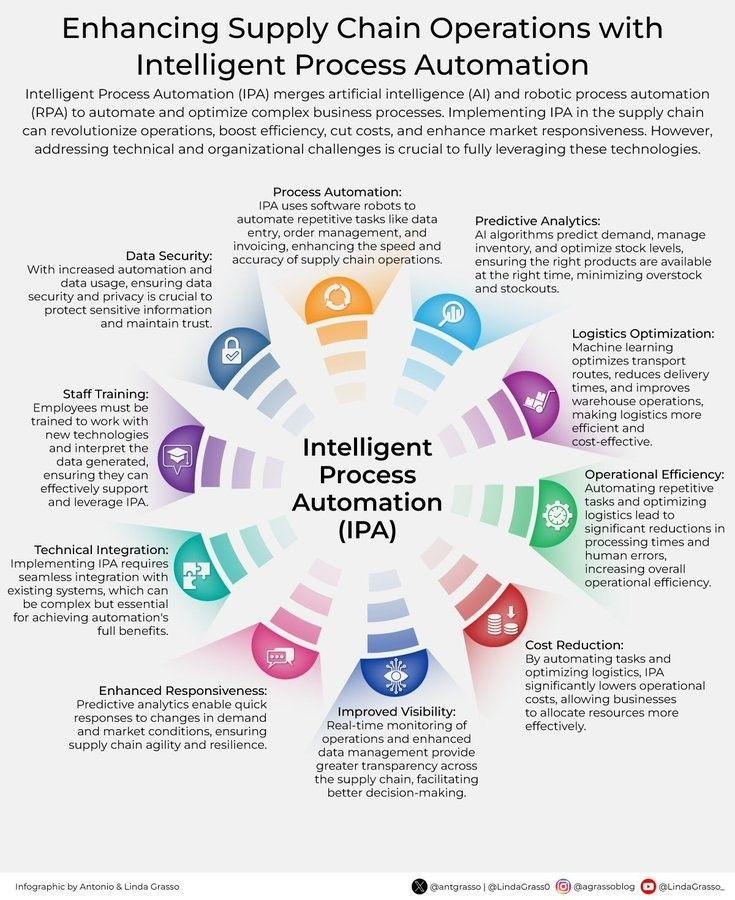
In the evolving landscape of dropshipping, intelligent automation redefines how supply chains operate by harnessing AI’s potential to analyze vast datasets and predict demand patterns with unprecedented accuracy. This transformative approach enables businesses to minimize stockouts and overstocks, ensuring that product availability seamlessly aligns with consumer preferences. By integrating predictive algorithms, retailers gain the ability to dynamically adjust inventory levels and dispatch routes, optimizing every step from supplier to customer, reducing costs, and improving delivery speeds.
Key advantages of integrating intelligent automation include:
- Real-time visibility into inventory movements and supplier performance metrics
- Automated order fulfillment triggered by AI-driven demand forecasts
- Enhanced responsiveness to market fluctuations through adaptive logistics networks
- Reduced human error and operational bottlenecks via robotic process automation (RPA)
| Supply Chain Element | AI Impact | Result |
|---|---|---|
| Inventory Management | Demand forecasting & smart restocking | Lower holding costs & improved turnover |
| Order Processing | Automated validation & routing | Faster fulfillment & fewer errors |
| Logistics Coordination | Dynamic route optimization | Reduced delivery times & fuel use |

Strategic Recommendations for Integrating AI in Dropshipping Businesses
To harness AI effectively, dropshipping entrepreneurs must prioritize automation that complements their unique business workflows. Leveraging AI-powered tools for market analysis allows businesses to identify trending products and customer preferences with unprecedented speed and precision. By integrating these insights into inventory curation, sellers can maintain a dynamic catalog that resonates with evolving consumer demands. Moreover, incorporating AI-driven chatbots and personalized recommendation engines directly enhances the customer experience, fostering loyalty and repeat sales.
Key strategies include:
- Utilizing AI algorithms to predict shipping and supply chain delays, enabling proactive communication with customers.
- Implementing AI-generated product descriptions and images that capture attention and boost conversion rates.
- Embedding AI analytics dashboards to continuously monitor sales performance and optimize pricing strategies.
| AI Integration | Benefit |
|---|---|
| Dynamic Inventory Forecasting | Reduces overstock and stockouts |
| Customer Behavior Analysis | Personalized marketing campaigns |
| Automated Content Generation | Enhances SEO and product appeal |
To Wrap It Up
As the lines between technology and trade continue to blur, AI-generated products are not just tools but catalysts reshaping the dropshipping landscape. Unlocking the full potential of this fusion promises a future where commerce is more dynamic, personalized, and efficient than ever before. Whether you’re a seasoned entrepreneur or a curious newcomer, embracing AI’s transformative power could well be the key to unlocking new realms of opportunity in the evolving world of dropshipping. The next chapter of commerce is unfolding-and it’s being written by algorithms.