

In an increasingly connected world, creativity knows no boundaries. The rise of remote UX/UI services is reshaping how designers collaborate across continents, unlocking new potentials for innovation and user-centric solutions. “Design Beyond Borders: Remote UX/UI Services Unlocked” explores this evolving landscape where distance transforms from an obstacle into a catalyst, bridging cultures and expertise to craft seamless digital experiences that resonate globally. Join us as we delve into the tools, challenges, and opportunities redefining design in the era of virtual collaboration.
Table of Contents
- Design Beyond Borders Unlocking Global Talent Pools for Innovative UX/UI Solutions
- Bridging the Communication Gap Strategies for Seamless Collaboration Across Time Zones
- Crafting User Experiences with Cultural Sensitivity Best Practices for Inclusive and Engaging Design
- Leveraging Technology Tools Essential Platforms to Optimize Remote UX/UI Workflow and Productivity
- Key Takeaways

Design Beyond Borders Unlocking Global Talent Pools for Innovative UX/UI Solutions
Unlocking a global talent pool enables businesses to tap into diverse perspectives that fuel extraordinary innovation in UX/UI design. When teams embrace remote collaboration, they transcend geographical and cultural boundaries, creating user experiences that resonate universally. This approach not only diversifies creative input but also accelerates problem-solving, ensuring designs are intuitive, accessible, and culturally inclusive. By leveraging digital communication tools and agile workflows, teams can seamlessly integrate skills from continents apart, transforming challenges into unique design opportunities.
Embracing remote UX/UI services offers flexibility and fosters continuous learning through exposure to a wide range of design philosophies and user behaviors. Companies benefit from:
- Access to specialized skills: Hire niche experts without local constraints.
- Round-the-clock productivity: Time zone diversity keeps projects moving forward.
- Cost efficiency: Optimize budgets by choosing talent across varied markets.
| Advantage | Benefit | Outcome |
|---|---|---|
| Global Diversity | Rich cultural insights | Inclusive design |
| Remote Flexibility | 24/7 workflow | Accelerated delivery |
| Specialized Talent | Expertise on demand | Innovative solutions |

Bridging the Communication Gap Strategies for Seamless Collaboration Across Time Zones
In an era where teams span continents, maintaining clarity and momentum requires more than just scheduling meetings. Embracing asynchronous communication tools-such as collaborative design platforms, shared documentation, and messaging apps-ensures that ideas flow uninterrupted regardless of clock differences. Prioritizing clear, concise updates and setting expectations for response times cultivates trust and empowers team members to work autonomously while feeling connected. Consistent documentation and transparent project tracking act as the backbone, enabling everyone to pick up where others left off without confusion or delay.
Crafting a shared rhythm between teams demands intentional collaboration rituals tailored to diverse zones. Consider implementing rotating meeting times to distribute inconvenience fairly and encourage empathy across cultures. Visual cues like color-coded calendars and status indicators help team members instantly grasp availability without intrusive check-ins. The following table highlights practical tools and techniques optimized for timezone collaboration:
| Strategy | Purpose | Example Tools |
|---|---|---|
| Async Feedback Loops | Enable thoughtful reviews without real-time pressure | Figma, Loom, Notion |
| Rotating Meeting Schedules | Share the burden of off-hours calls | Google Calendar, World Time Buddy |
| Visual Availability Signals | Clarify working hours at a glance | Slack Status, Microsoft Teams |
Crafting User Experiences with Cultural Sensitivity Best Practices for Inclusive and Engaging Design
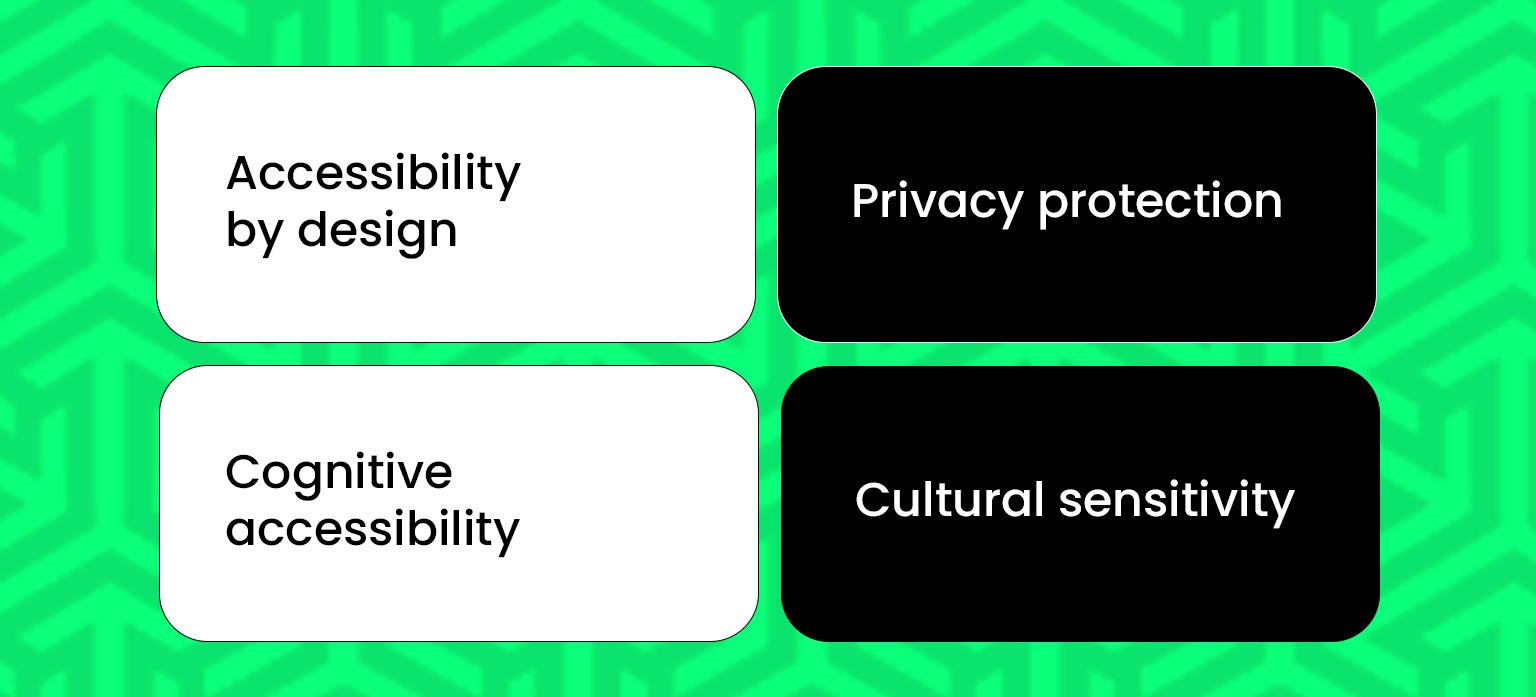
When designing for diverse audiences across the globe, integrating cultural sensitivity is not just a courtesy-it’s a cornerstone of effective user experience. Ensuring that designs resonate authentically requires a deep understanding of cultural nuances, from color symbolism and iconography to interaction patterns. By embracing a design philosophy that values empathy and respect, creators can foster engagement that feels both personal and universally accessible. Incorporating local idioms, accessibility preferences, and social norms transforms interfaces into welcoming spaces for users of all backgrounds.
Practical steps to weave cultural sensitivity into UX/UI propel inclusivity forward and bridge remote collaboration gaps. Consider:
- Conducting localized user research to capture unique needs and expectations.
- Adapting content and visuals to reflect cultural contexts authentically.
- Testing interfaces with diverse user groups to uncover hidden biases.
- Utilizing flexible design systems that accommodate regional variations seamlessly.
| Aspect | Consideration | Benefit |
|---|---|---|
| Color Palette | Meanings vary widely (e.g., red symbolizes luck vs. warning) | Enhances emotional connection & reduces misinterpretation |
| Language & Tone | Use culturally appropriate phrasing and formalities | Builds trust and clarity |
| Navigation Flow | Reflects users’ cultural habits (linear vs. exploratory) | Improves usability and satisfaction |
Leveraging Technology Tools Essential Platforms to Optimize Remote UX/UI Workflow and Productivity
In the evolving landscape of remote UX/UI design, harnessing cutting-edge technology tools is paramount for seamless collaboration and heightened productivity. Designers rely on dynamic platforms that not only facilitate real-time feedback but also streamline the iterative design process. Tools like Figma and Adobe XD empower teams to co-create and refine designs simultaneously, breaking down geographical barriers and fostering innovation. Meanwhile, project management systems such as Asana and Trello keep workflows organized and transparent, helping teams track progress and align priorities without the friction of traditional office settings.
Equally important are communication and version control tools that maintain clarity and cohesion throughout the design journey. Platforms like Slack and Microsoft Teams enable instant messaging and video calls, ensuring that ideas flow freely and problems are swiftly addressed. Additionally, version control systems, including Abstract and GitHub, provide robust frameworks to manage design changes and maintain consistent quality. The integration of these tools creates an ecosystem where remote teams can thrive, delivering inspired user experiences confidently and efficiently.
Key Takeaways
As borders blur and digital landscapes expand, the realm of UX/UI design transcends traditional confines, unlocking a world of creativity and innovation from anywhere. Embracing remote services not only broadens horizons but also bridges diverse perspectives, crafting user experiences that resonate across cultures and continents. In this new era, design knows no limits-only endless possibilities waiting to be explored beyond borders.