

In the vast landscape of programming, side projects often begin as passion-fueled experiments or creative outlets. Yet, hidden within lines of code and late-night debugging sessions lies a promising opportunity: turning these small ventures into tangible income. “Turning Code Into Cash: Profiting from Side Projects” explores the transformative journey from hobbyist coder to entrepreneurial creator. Whether it’s a clever app, a useful tool, or an engaging game, many developers find that their side projects can evolve beyond personal satisfaction into sustainable sources of profit. This article delves into practical strategies, real-world examples, and insightful tips to help programmers unlock the financial potential of their code.
Table of Contents
- Identifying Market Needs to Shape Your Side Project
- Building a Minimum Viable Product That Attracts Users
- Monetization Strategies Tailored to Your Code
- Leveraging Feedback to Refine and Scale Your Project
- To Wrap It Up
Identifying Market Needs to Shape Your Side Project
Understanding what drives your potential users is crucial to crafting a side project that not only works but sells. Start by immersing yourself in forums, social media groups, and niche communities where your target audience spends time. Listen closely to their pain points and unmet desires. Are there recurring issues with current solutions? What features do they wish existed? Gathering this intelligence enables you to focus your efforts on addressing real demand rather than hypothetical problems. Alongside qualitative input, validate your discoveries with quantitative data-use keyword research tools or survey analytics to measure interest and competition levels.
Once you’ve pinpointed market needs, organize your findings to clarify priorities. Here’s a simple framework to guide your evaluation:
| Criteria | Questions to Ask | Impact Level |
|---|---|---|
| Urgency | Is the problem causing immediate frustration? | High/Medium/Low |
| Frequency | How often does this problem occur for users? | High/Medium/Low |
| Existing Solutions | Are current options inadequate or overpriced? | High/Medium/Low |
- Target a High Impact Area: Prioritize features or solutions that solve urgent and frequent problems.
- Validate Your Concept Early: Use prototypes or MVPs to get early user feedback and pivot if necessary.
- Monitor Competitors: Stay updated on similar projects to find gaps your side project can exploit.
Building a Minimum Viable Product That Attracts Users
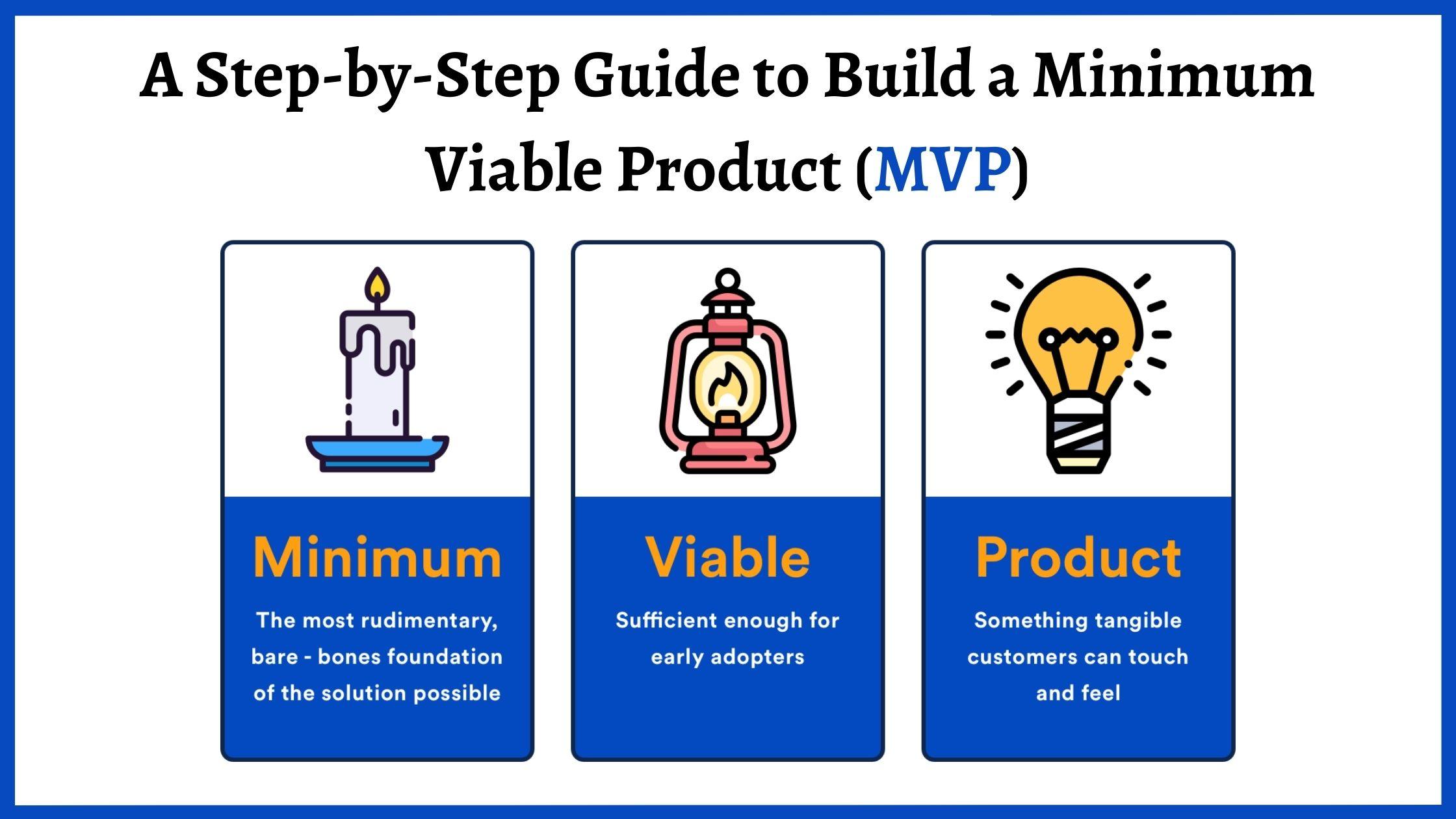
Start by focusing on core features that solve a specific problem for your target audience. Resist the urge to add every possible functionality at once; instead, prioritize what brings the most value early on. This approach not only saves development time but also helps gather meaningful feedback. Engage users through intuitive design and clear calls to action that encourage exploration and interaction. Remember, a sleek, user-friendly interface often wins over complex designs that confuse or overwhelm potential customers.
Consider the following essentials when refining your MVP:
- Clarity: Ensure the product’s purpose is immediately understandable.
- Speed: Optimize performance to keep users engaged without delays.
- Feedback loops: Build in easy ways for users to share thoughts and report issues.
| Feature | Why It Matters | Quick Win Tips |
|---|---|---|
| Simple Onboarding | Reduces friction for first-time users | Use step-by-step guides or tooltips |
| Core Functionality | Delivers main value proposition | Focus on one major problem to solve |
| User Feedback Channel | Enables continuous improvement | Implement in-app surveys or feedback buttons |
Monetization Strategies Tailored to Your Code
Transforming your coding skills into a sustainable revenue stream starts with identifying the perfect fit for your project’s nature and target audience. Consider models that enhance user engagement while providing value, such as freemium offerings where core features remain free, and advanced tools unlock upon subscription. Advertising can also be a powerful ally; strategically placed ads within apps or websites can generate passive income without disrupting user experience. Moreover, embracing affiliate marketing could allow your projects to recommend relevant services or products, earning commissions effortlessly.
Not all monetization approaches yield equal results, so aligning your strategy with your code’s core utility is vital. Here’s a compact overview to guide decision-making:
| Monetization Model | Best for | Key Benefit |
|---|---|---|
| Freemium | Feature-rich apps | Balances access and value |
| Advertising | High-traffic sites/apps | Generates passive revenue |
| Affiliate Marketing | Content-driven projects | Commission-based profit |
| One-time Purchase | Standalone tools | Upfront income |
| Subscription | Ongoing services | Recurring revenue |
Experiment with multiple paths, measure user responses, and never underestimate the power of community feedback. Success often hinges on adaptability and a commitment to refining how your code monetizes its unique offerings.

Leveraging Feedback to Refine and Scale Your Project
Feedback serves as the secret ingredient that transforms a promising side project into a sustainable venture. Instead of viewing criticism as a setback, embrace it as a compass pointing toward enhancement opportunities. Engage with your initial users or beta testers through surveys, interviews, or social media polls to gather diverse perspectives. This input helps prioritize features that truly resonate with your audience and weed out those that don’t add value. Remember, iterative improvement fueled by authentic user insights leads to smarter development choices and increased customer satisfaction.
Once you’ve harnessed meaningful feedback, scaling becomes a strategic endeavor. Focus on optimizing the core aspects that received positive reinforcement while streamlining the user experience. To stay organized, you might find this table useful for managing feedback implementation priorities:
| Feedback Type | Action | Priority |
|---|---|---|
| Feature Requests | Develop MVP enhancements | High |
| User Interface Issues | Redesign key elements | Medium |
| Performance Complaints | Optimize backend | High |
| New Market Suggestions | Research viability | Low |
Scaling thoughtfully means also refining your marketing message based on what your users value most, allowing your project to gain traction organically and convert interest into revenue.
To Wrap It Up
As the lines between passion and profession blur, turning code into cash is no longer a distant dream but an achievable milestone. Side projects, once mere playgrounds for creativity, now hold the potential to transform into lucrative ventures. By embracing the journey with patience, persistence, and a keen eye for opportunity, every developer can unlock new avenues of income and innovation. So, whether you’re crafting apps in your spare time or experimenting with niche solutions, remember: your next big idea might just be the key to turning your code into a rewarding cash flow.